Author, Writer & Editor: MD MOHMMAD ABBAS
Affiliation: THE WORLD’S UPDATE
Date: November 19, 2026
UK Says Civilian Protection Must Be a Priority
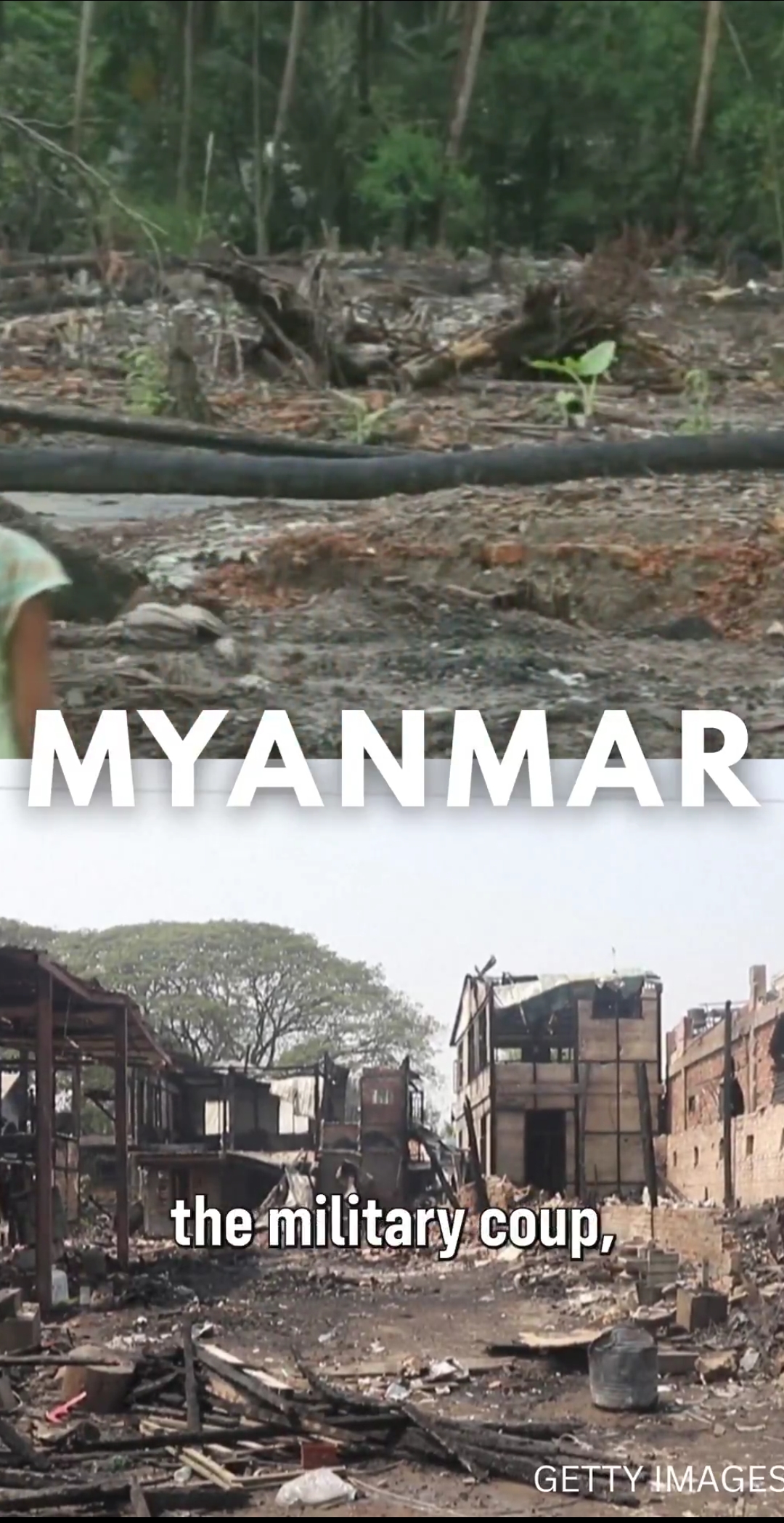
The United Kingdom has reiterated its commitment to protecting civilians in conflict zones, including Ukraine, Myanmar and Palestine.
In a statement shared by the UK’s Mission to the United Nations in New York, London said that human rights, human dignity and international law are central to the UN Charter.
The UK also declared that it would continue defending these principles internationally.
However, the statement has raised an important question about the consistency between Britain’s diplomatic commitments and its military export policies towards Israel amid the continuing humanitarian crisis in Gaza.
The Question of British Military Exports to Israel
While the UK publicly advocates civilian protection and international humanitarian law, British military exports and components connected to Israel’s defence industry have continued to attract scrutiny.
In September 2024, the British government announced the suspension of approximately 30 arms export licences after concluding that certain military exports to Israel might be used in serious violations of international humanitarian law in Gaza.
However, this was not a complete arms embargo.
The government maintained an exemption for components supplied to the multinational F-35 programme, except for items exported directly to Israel for its use. UK Government announcement.
New Investigation Raises Questions About Continuing Exports
Fresh investigations published in November 2026 have raised further questions about the implementation of Britain’s restrictions.
Action on Armed Violence (AOAV), reporting on a Channel 4 News investigation, said that British military equipment continued to be exported under certain licences after the restrictions were announced.
The investigation identified licences involving companies including BAE Systems and QinetiQ. It also examined the classification of aircraft components as training equipment and the continued supply of components through the international F-35 programme.
AOAV reported that government figures showed 395 non-suspended licences involving Israel in February 2026, including 203 military-category licences. These figures cover different categories of licensing and do not mean that all the items were delivered to the Israeli military or used in Gaza. AOAV investigation, November 16, 2026.
The distinction matters: the existence of an export licence does not automatically establish that an item was shipped, delivered to Israel’s armed forces or used in a particular military operation.
Gaza’s Humanitarian Crisis and the Question of Accountability
The war in Gaza has caused extensive civilian suffering, displacement and destruction of essential infrastructure.
The humanitarian situation raises serious questions about the responsibilities of countries supplying military equipment to parties involved in the conflict.
The UK government itself previously acknowledged a clear risk that certain military exports to Israel might be used in serious violations of international humanitarian law.
This makes the continued exemptions and licensing arrangements an important subject for parliamentary scrutiny, public accountability and independent investigation.
The legal determination of genocide is a separate question requiring examination under the relevant international legal framework. Nevertheless, allegations of genocide and other serious international crimes in Gaza have made arms transfers an increasingly important international issue.
A Question of Consistency: Human Rights or Military Trade?
The UK’s statement at the United Nations speaks about protecting civilians, defending human dignity and upholding international law.
But these principles also raise questions about the practical consequences of Britain’s arms export decisions.
If civilian protection is a central commitment of British foreign policy, should the government not ensure that military equipment originating from Britain cannot contribute to serious violations of international humanitarian law?
And if the UK recognises the risks associated with certain military exports to Israel, why do exemptions and other licensing arrangements continue to attract concern?
These are questions that deserve transparent answers from the British government.
THE WORLD’S UPDATE — Editorial Perspective
Protecting humanity cannot be limited to statements delivered at the United Nations. It must also be reflected in government decisions, military export policies and accountability for the consequences of those decisions.
Britain cannot be assessed only by what it says about protecting civilians in Ukraine, Myanmar and Palestine. Its policies towards military exports to Israel must also be examined against the same standards of human rights and international humanitarian law.
If the United Kingdom wants to defend humanity, it must ensure that its own policies do not contribute to the suffering it says it wants to prevent.
The Bottom Line
The UK has publicly reaffirmed its commitment to civilian protection and international law while its arms export policy towards Israel continues to face scrutiny.
Although Britain suspended certain licences in September 2024, exemptions remained, particularly concerning the international F-35 programme. Investigations published in November 2026 have raised further questions about military export licences and equipment supplied after those restrictions.
The central issue is one of accountability and consistency between Britain’s international statements and its actions.
Sources:
- UK Mission to the United Nations, New York — Original statement: https://x.com/UKUN_NewYork/status/2123166852973293977
- UK Government — Suspension of approximately 30 arms export licences to Israel, September 2, 2024.
- Action on Armed Violence — Investigation into British military exports to Israel, November 16, 2026.
- UK Parliament — Government statement on arms export licensing and Israel.
THE WORLD’S UPDATE
Standing with the oppressed. Speaking for the unheard. Seeking truth without fear.