Author, Writer & Editor: MD MOHMMAD ABBAS
Affiliation: THE WORLD’S UPDATE
Date: November 21, 2026
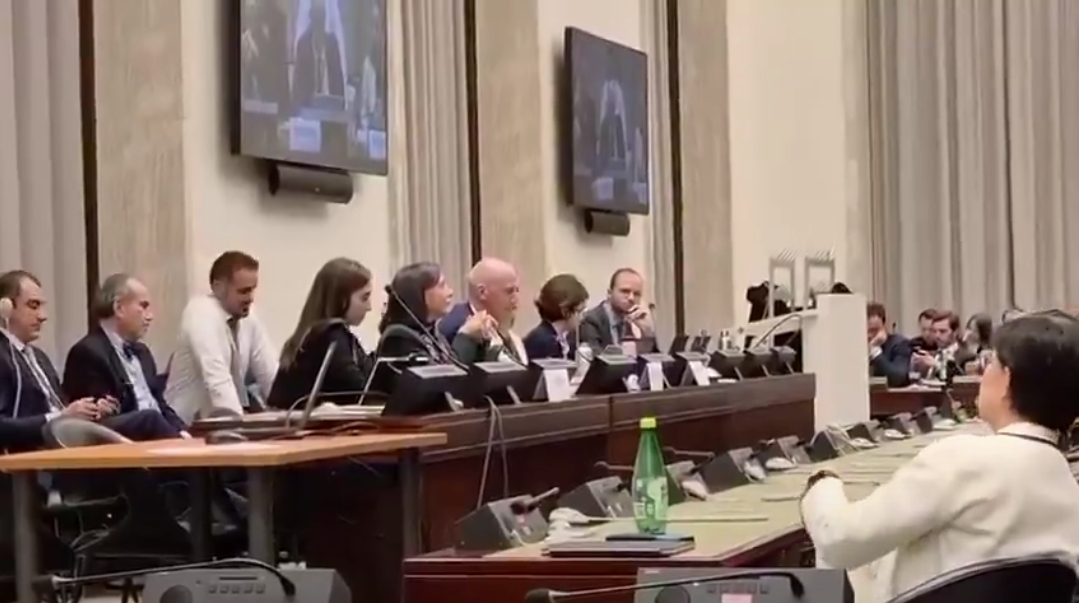
A step forward has been taken in international discussions on lethal autonomous weapons systems (LAWS), with countries agreeing at the seventh Review Conference of the Convention on Certain Conventional Weapons (CCW) in Geneva to begin work on an international instrument addressing the issue.
Switzerland welcomed the agreement, describing it as progress toward developing international rules for lethal autonomous weapons systems, while acknowledging that substantial work remains ahead.
International Process on Autonomous Weapons Begins
The agreement establishes a process to begin developing an international instrument on lethal autonomous weapons systems, which are weapons capable of selecting and engaging targets using autonomous functions.
The discussions are taking place within the framework of the Convention on Certain Conventional Weapons, a United Nations-related international framework addressing weapons that may cause excessive injury or have indiscriminate effects.
The development of autonomous military technologies has raised growing concerns about accountability, human control over lethal decisions, civilian protection and the ethical implications of allowing machines to make decisions involving the use of lethal force.
Switzerland Welcomes the Agreement
Switzerland welcomed the outcome of the seventh CCW Review Conference in Geneva and described the agreement as an important step forward.
The Swiss statement highlighted the role of multilateral diplomacy and thanked CCW President Ambassador Julien Thöni and Peruvian Ambassador Elmer Schialer for their collaboration during the process.
Switzerland emphasized that although the agreement represents progress, considerable work remains before an international instrument can be developed.
Human Control and International Regulation
Lethal autonomous weapons systems have become a major subject of international debate as military technologies increasingly incorporate artificial intelligence, automated target recognition and autonomous operational capabilities.
Countries and international organisations have debated how such systems should be regulated, including whether meaningful human control should be required over decisions involving lethal force and how responsibility should be established when autonomous systems cause harm.
The latest agreement provides a basis for continuing international negotiations and discussions, but it does not itself establish a final treaty or a comprehensive prohibition on autonomous weapons.
Multilateralism Remains Central
Switzerland said multilateral cooperation remains essential in addressing emerging military technologies and developing international rules.
The agreement at the Geneva conference marks the beginning of a new phase of work on lethal autonomous weapons systems, with negotiations and further discussions expected to determine the scope and substance of any future international instrument.
Source: Swiss Mission to the United Nations in Geneva
https://x.com/swiss_un/status/2124041299288326449
THE WORLD’S UPDATE
Standing with the oppressed. Speaking for the unheard. Seeking truth without fear.