New York / Western Sahara | November 2, 2026
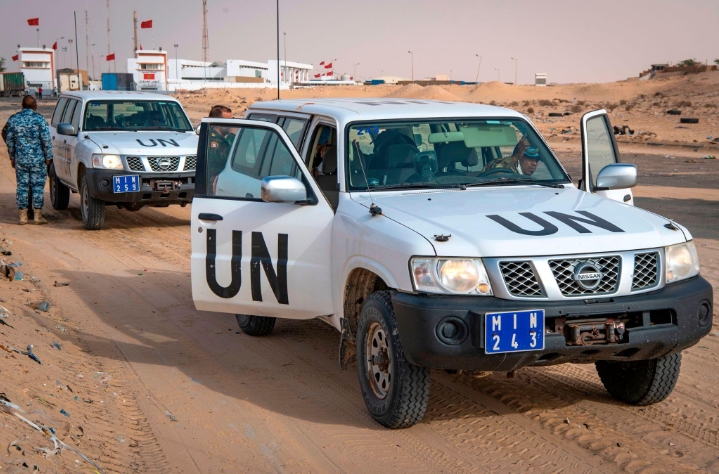
The United Nations peacekeeping mission in Western Sahara has begun winding down after 35 years of operations, following a diplomatic deadlock between the United States and Russia that prevented the UN Security Council from renewing its mandate.
The United Nations Mission for the Referendum in Western Sahara (MINURSO) entered its liquidation period on November 1, 2026, after its mandate expired on October 31 without an agreed extension.
The development marks a significant change in the international presence in the disputed territory, raising concerns about ceasefire monitoring, regional security and the long-delayed right of the people of Western Sahara to determine their political future.
The United Nations has clarified that its diplomatic engagement with the territory will continue, even as the peacekeeping mission winds down.
Security Council fails to agree on mission renewal
On October 30, the United States submitted a draft resolution seeking to renew MINURSO’s mandate for another year while changing the framework of negotiations over Western Sahara.
The US proposal supported Morocco’s autonomy plan as the basis for negotiations and proposed changes to the mission’s structure and responsibilities.
The draft received 11 votes in favour but was blocked by a Russian veto. Three members abstained.
Russia argued that the US proposal risked prejudging the political outcome and undermining the established framework for negotiations.
Following the failure of the US proposal, Russia introduced an alternative draft seeking a straightforward one-year extension of MINURSO’s existing mandate until October 31, 2027.
According to the official UN Security Council meeting transcript, the Russian proposal received three votes in favour, one against and 11 abstentions. It therefore failed to secure the nine affirmative votes required for adoption.
The United States voted against the Russian proposal.
With neither draft adopted, the Security Council failed to establish a renewed mandate for the mission.
A 35-year mission that never delivered its original referendum
MINURSO was established in 1991 under UN Security Council Resolution 690, following a settlement plan accepted by Morocco and the Polisario Front.
Its original mandate included monitoring the ceasefire and preparing a referendum through which the people of Western Sahara would choose between independence and integration with Morocco.
However, the referendum never took place.
Disagreements over voter eligibility, the political status of the territory and the terms of a settlement prevented the process from moving forward.
Despite the failure to hold the referendum, MINURSO continued operating as a UN presence in the territory, with responsibilities connected to monitoring security developments and supporting the political process.
Why Washington and Moscow disagreed
The disagreement between the two permanent Security Council members reflected fundamentally different approaches to resolving the Western Sahara dispute.
The United States supported Morocco’s autonomy proposal as the basis for negotiations. Under this proposal, Western Sahara would remain under Moroccan sovereignty while receiving self-governing powers.
Russia opposed the US draft, arguing that the Security Council should not prejudge the outcome of negotiations or undermine the principle of self-determination.
Russia’s alternative proposal sought to preserve the existing UN mission and extend its mandate without the changes proposed by Washington.
The competing positions exposed the continuing divisions within the Security Council over the future of Western Sahara.
UN begins liquidation process on November 1
On November 1, UN Secretary-General António Guterres’s spokesperson confirmed that the liquidation period for MINURSO had begun.
A smaller team reporting to the UN Department of Operational Support will oversee the orderly return of equipment belonging to troop-contributing countries and the appropriate disposal of UN-owned assets.
The Secretary-General also expressed concern about the security situation across the territory and the risk of further escalation.
He called on all parties to exercise maximum restraint and respect the rights of the people of Western Sahara.
The beginning of the liquidation process does not mean that the United Nations has abandoned its diplomatic role. The organisation says it remains committed to supporting a just, lasting and mutually acceptable political solution that provides for the self-determination of the territory’s people.
Morocco and the Polisario Front maintain opposing positions
Morocco controls most of Western Sahara and supports an autonomy arrangement under Moroccan sovereignty.
The Polisario Front, which represents the Sahrawi independence movement, rejects Morocco’s proposal as a substitute for self-determination and continues to seek independence.
Morocco welcomed the failure to renew MINURSO’s mandate, while the Polisario Front and Algeria criticised the outcome and expressed concern about the consequences for the UN peace process.
The dispute has also affected relations between Morocco and Algeria, two important regional powers whose diplomatic relations were severed in 2021.
What happens to civilians and regional security now?
The end of MINURSO’s field operations raises important questions about the future monitoring of security developments in Western Sahara.
The ceasefire established in 1991 broke down in 2020, and low-intensity hostilities have continued.
Without the mission’s previous monitoring and de-escalation role, concerns remain about the possibility of further confrontation and the impact on civilians.
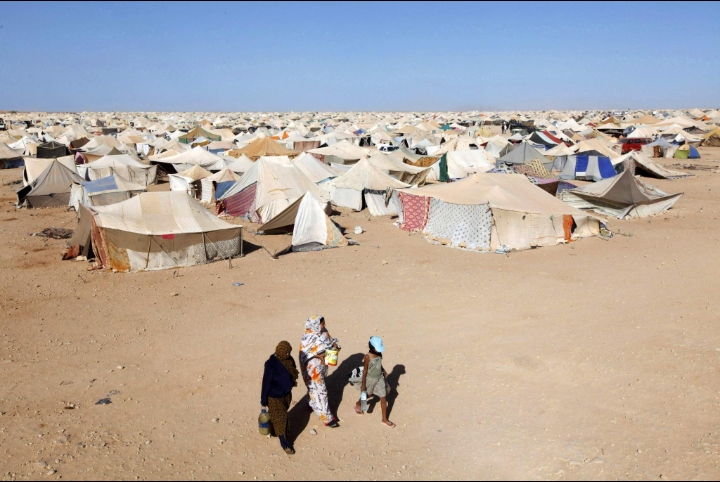
Humanitarian and regional stability considerations are particularly important for people living in the territory and Sahrawi refugee communities in neighbouring Algeria.
The international community will now have to consider how independent monitoring, diplomatic engagement and efforts to prevent escalation can continue.
The central question remains: Where is the promised self-determination?
For more than three decades, the United Nations mission was associated with a referendum intended to allow the people of Western Sahara to determine their future.
That referendum never happened.
Now, the peacekeeping mission is winding down without the original political dispute having been resolved.
The United Nations continues to support a negotiated settlement, but the competing positions of Morocco and the Polisario Front remain unresolved.
The end of MINURSO’s operations should not mean the end of international attention to the rights, security and political future of the people of Western Sahara.
The mission may be winding down, but the question of self-determination remains unanswered.
Sources & References
- United Nations — Security Council Fails to Adopt Resolution to Extend MINURSO, October 30, 2026
https://press.un.org/en/2026/sc16498 - United Nations — Official Security Council Meeting Transcript, S/PV.10259, October 30, 2026
https://transcripts.un.org/en/sc/10259 - United Nations Secretary-General’s Spokesperson — Statement on the End of MINURSO’s Mandate, November 1, 2026
https://www.un.org/sg/en/spokesperson - United Nations — Western Sahara: UN Stands Ready to Keep Supporting Peace Efforts as MINURSO Mission Ends, November 1, 2026
https://www.un.org/en/western-sahara-un-%E2%80%98stands-ready%E2%80%99-keep-supporting-peace-efforts-minurso-mission-ends - Reuters — Competing US, Russia Resolutions on Western Sahara Defeated in UN Security Council, October 30, 2026
https://www.reuters.com/world/russia-vetos-us-drafted-resolution-western-sahara-2026-10-30/ - Associated Press — UN’s Peacekeeping Mission in Western Sahara Ends After 35 Years Following US-Russia Standoff, November 1, 2026
https://apnews.com/article/030e303c58207060265d8748c1db3778
THE WORLD’S UPDATE
Standing with the oppressed. Speaking for the unheard. Seeking truth without fear.
Leave a Reply