Moscow, November 5, 2026 — Iran and Russia are advancing plans for a major natural gas supply project that could reshape energy trade across parts of West Asia and the South Caucasus.
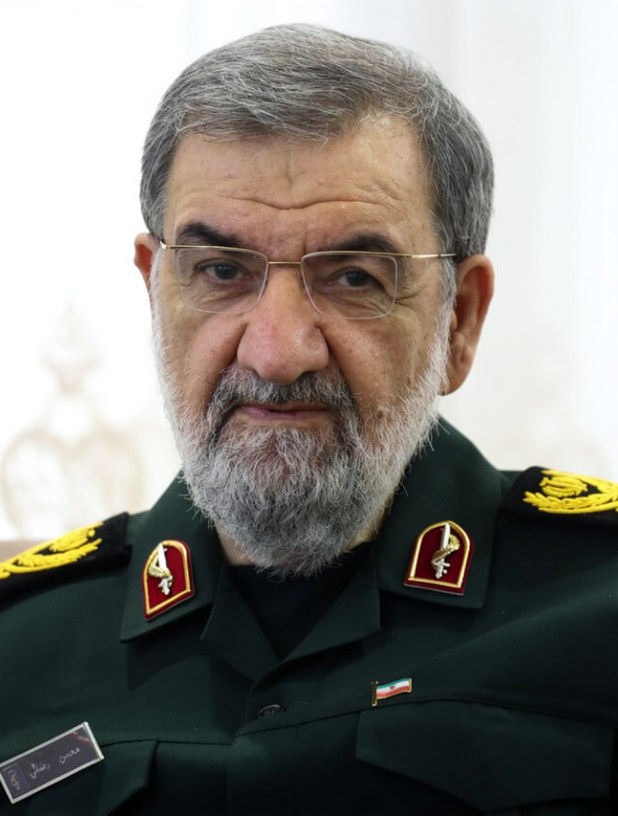
Iranian security chief Mohsen Rezaei, speaking during his visit to Moscow, said Russia would build a gas pipeline to Iran.
In remarks circulated by Iran Observer, Rezaei described the initiative as a way for Iran to reduce its dependence on domestically produced gas for consumption and sell more of its own resources to neighbouring markets.
The proposal comes amid expanding energy cooperation between Tehran and Moscow.
Pipeline route through Azerbaijan
The proposed pipeline is expected to pass through Azerbaijan, connecting Russia’s gas network with Iran.
Iranian Ambassador to Moscow Kazem Jalali said in August that negotiations between Iran’s Oil Ministry and Russia’s Gazprom had made significant progress.
The project initially envisages supplies of around 2 billion cubic metres of gas annually, with the potential to increase capacity to 55 billion cubic metres.
Russia is reportedly expected to finance most of the construction.
Azerbaijan’s role is important because the proposed route would make it a key transit country for Russian gas deliveries to Iran.
Why Iran wants Russian gas despite its own huge reserves
Iran possesses some of the world’s largest natural gas reserves. However, its domestic energy system faces significant seasonal shortages.
High household consumption, industrial demand, ageing infrastructure and insufficient investment have contributed to pressure on domestic supplies.
Importing Russian gas could help Iran balance demand, particularly during periods of peak consumption.
Under a potential swap or trading arrangement, Russian gas could supply part of Iran’s domestic market, allowing Iran to redirect some domestically produced gas towards exports or regional exchanges.
This would not mean Iran stops using its own natural gas altogether.
Russia seeks new energy markets
Russia is also looking for additional markets for its natural gas following the decline in its traditional European energy trade.
A pipeline connection to Iran could provide Moscow with another route into regional energy networks.
Iran’s geographical position could make it an important transit and exchange hub connecting suppliers and consumers across neighbouring regions.
However, the commercial success of the project will depend on gas prices, financing, transit agreements and the infrastructure required to transport larger volumes.
A project with wider regional implications
The proposed pipeline could strengthen energy cooperation among Russia, Iran and Azerbaijan.
It could also influence regional gas trade by creating additional supply options for neighbouring markets.
Nevertheless, the project should not yet be treated as a completed pipeline or a fully operational export arrangement. Technical, contractual and transit issues remain important.
The next major developments will be the finalisation of the supply agreement, confirmation of construction arrangements and agreement on the role of Azerbaijan.
Sources & References
- Iran Observer – Mohsen Rezaei’s statement on the proposed gas pipeline
- Reuters – Russia’s planned gas pipeline to Iran, January 20, 2025
- IranOilGas – Iran-Russia gas transfer negotiations, August 29, 2026
- IranOilGas – Iran-Russia gas agreement approaches finalisation, October 26, 2026
- IranOilGas – Iran, Russia and Azerbaijan discuss regional gas cooperation, October 17, 2026
- Interfax – Iran still interested in Russian gas imports, February 18, 2026
Standing with the oppressed. Speaking for the unheard. Seeking truth without fear.