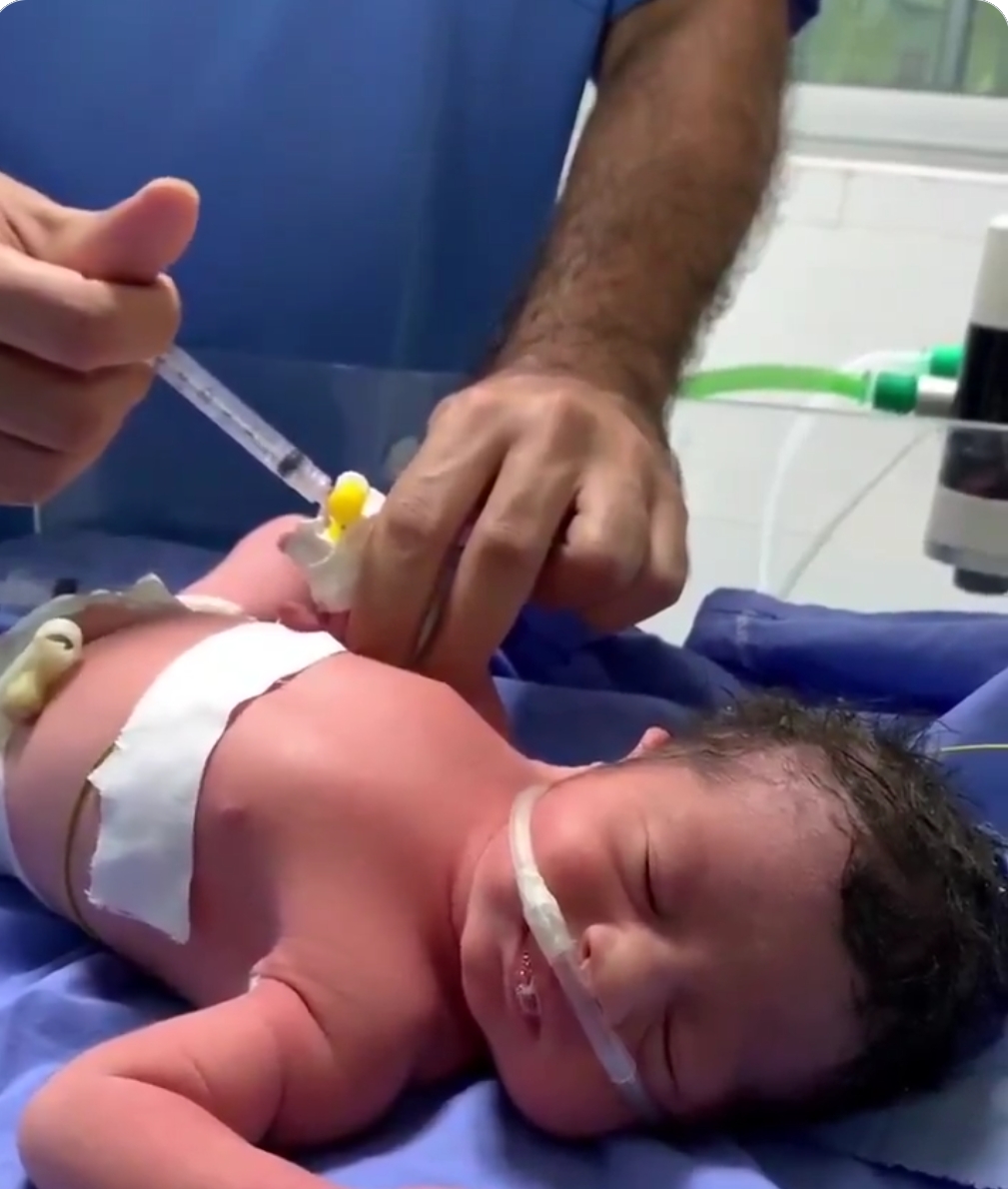
Premature Palestinian babies in Gaza face serious risks as hospitals struggle with shortages of essential medicines, medical supplies and fuel. Medical teams warn that limited resources and unreliable power threaten the equipment keeping vulnerable newborns alive.
Premature babies in the Gaza Strip are facing increasingly dangerous conditions as the healthcare system struggles to provide essential neonatal care.
A November 11 warning shared by the Palestinian GCC highlighted shortages of medicines and medical supplies, electricity disruptions and dwindling fuel supplies. These conditions threaten incubators and ventilators that premature and critically ill newborns depend on for survival.
Al-Shifa Hospital faces growing pressure
The situation was documented at al-Shifa Hospital in Gaza City on November 10.
Reporting and footage published by APA Images showed Palestinian newborns and premature babies receiving treatment in incubators as neonatal beds and incubator capacity reached their limits.
Medical staff warned of growing risks to infants because of shortages of essential medical supplies, specialised infant formula and fuel needed to operate ventilators and backup power generators.
The hospital serves patients in northern Gaza, where access to specialised medical care remains severely constrained.
Fuel shortages threaten life-support equipment
Electricity is essential for neonatal intensive care. Incubators help regulate the temperature of premature babies, while ventilators and other equipment support infants who cannot breathe adequately on their own.
Hospitals rely on generators when regular electricity is unavailable. But generators require a continuous supply of fuel, engine oil and maintenance.
In September 2026, Reuters reported that fuel, engine oil and spare-parts shortages were threatening hospital generators across Gaza. Medical organisations warned that equipment failures could endanger patients dependent on ventilators and other critical equipment.
Premature births and limited neonatal care
The crisis also affects mothers and newborns before and after delivery.
UNICEF’s February 2026 humanitarian update reported a sharp increase in premature and low-birthweight deliveries. Around one in five newborns required intensive neonatal or thermal care, according to the agency.
UNICEF also reported restrictions affecting the entry of essential medical equipment, including incubators and ventilators, alongside shortages and damage affecting healthcare infrastructure.
These conditions place additional pressure on medical teams already working with limited resources.
Urgent need for medical supplies and reliable power
Premature babies require specialised and continuous care. Even a disruption in electricity or the supply of essential medical equipment can create an immediate medical emergency.
Humanitarian organisations and international authorities face an urgent challenge: ensuring that hospitals can obtain medicines, medical equipment, fuel and other essential supplies without interruption.
The lives of Gaza’s most vulnerable newborns depend on the ability of medical teams to keep critical care functioning.
Sources & References
- Palestinian GCC – Warning about the risks facing premature babies in Gaza (November 11, 2026)
- APA Images – Newborns and Premature Babies Face Growing Health Risks Amid Medical Shortages at Gaza’s al-Shifa Hospital (November 10, 2026)
- UNICEF – State of Palestine Humanitarian Situation Update (February 2026)
- Reuters – Gaza’s hospitals and homes struggle to keep generators running as oil shortages bite (September 10, 2026)
- UN OCHA – Humanitarian Situation Report, March 6, 2026
THE WORLD’S UPDATE
Standing with the oppressed. Speaking for the unheard. Seeking truth without fear.