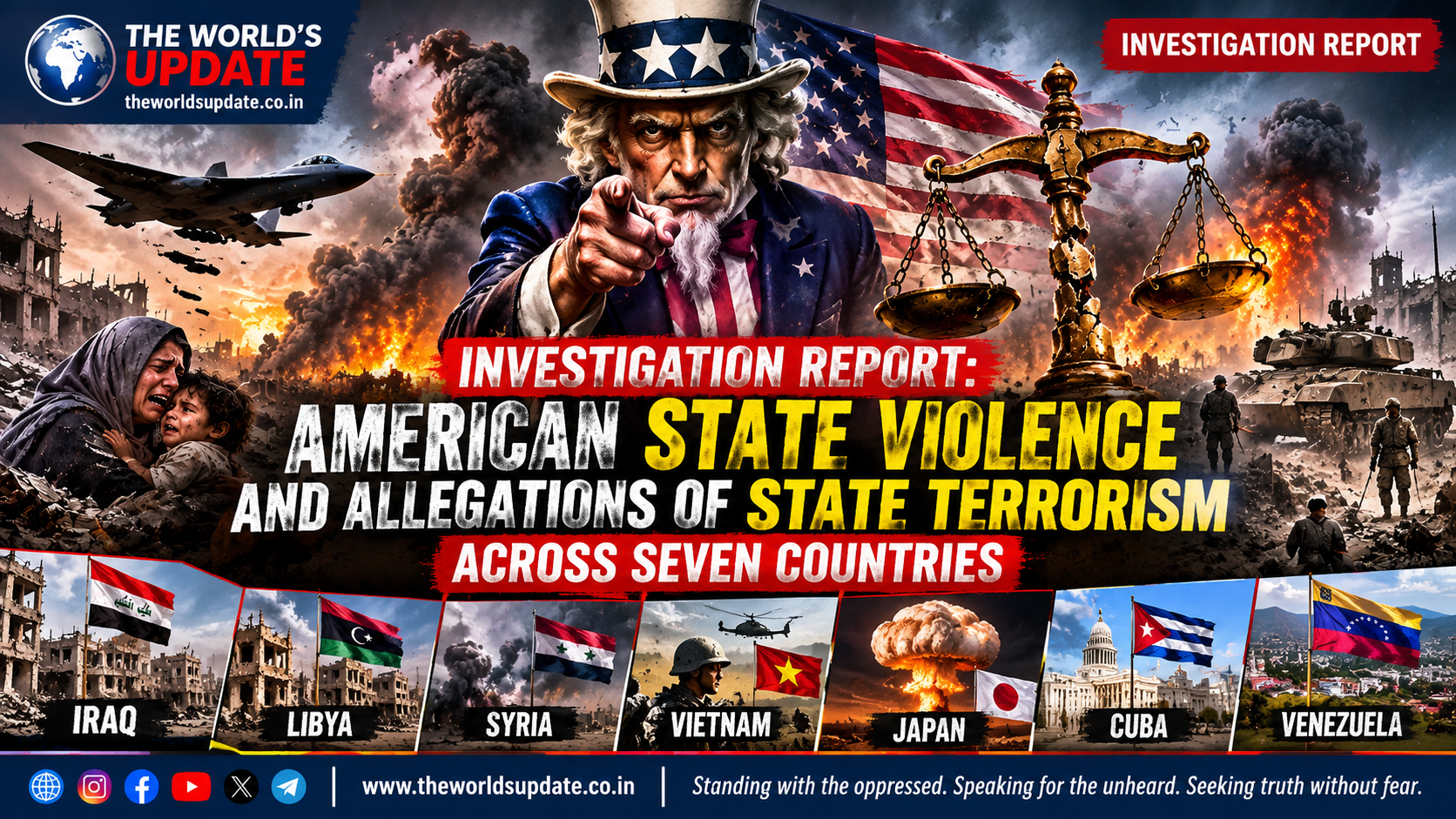
Iraq, Libya, Syria, Vietnam, Japan, Cuba and Venezuela — Military Interventions, Civilian Destruction, Economic Warfare and the Question of International Accountability
Author, Writer & Editor: MD MOHMMAD ABBAS
Affiliation: THE WORLD’S UPDATE
Website: https://theworldsupdate.co.in
Report date: November 12, 2026
- INTRODUCTION: THE QUESTION OF AMERICAN ACCOUNTABILITY
The United States has repeatedly justified its military interventions, covert operations and economic sanctions through arguments involving national security, counterterrorism, democracy and international stability.
But a government’s stated justification cannot replace an independent examination of its conduct.
This investigation examines American actions in seven countries: Iraq, Libya, Syria, Vietnam, Japan, Cuba and Venezuela.
The report investigates:
· Military invasions, airstrikes, bombing campaigns and covert operations.
· Civilian deaths, injuries and destruction of civilian infrastructure.
· The dismantling or weakening of national institutions.
· Economic sanctions, financial restrictions and control over national assets.
· Questions of national sovereignty and international law.
· Why international criminal accountability has been limited.
THE WORLD’S UPDATE considers state violence a matter of international concern regardless of the identity, military strength or political influence of the government responsible.
The expression “state terrorism” is used in this report as a subject of investigation and legal analysis. It is not presented as a criminal conviction already delivered by an international court against the United States.
The central question is straightforward: Should a powerful state receive a different standard of scrutiny when its military or economic policies cause extensive civilian suffering?
- IRAQ: THE 2003 INVASION, FINANCIAL DESTRUCTION AND THE QUESTION OF LOOTED GOLD
The invasion and its legal basis
On March 20, 2003, the United States and its coalition partners invaded Iraq.
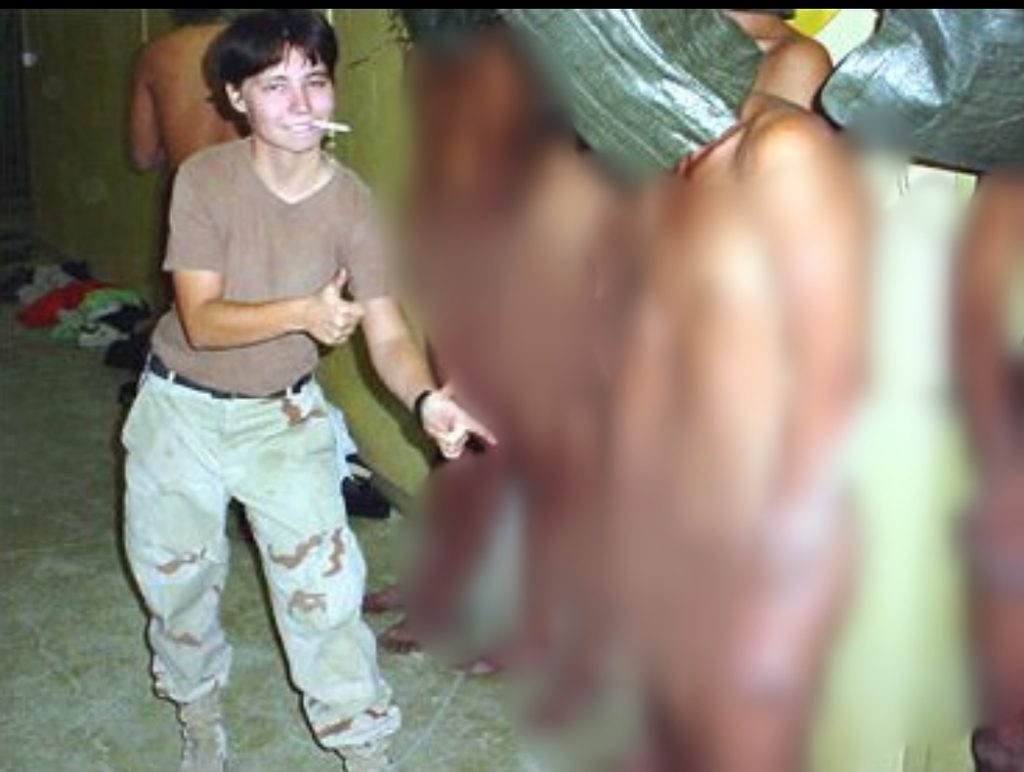
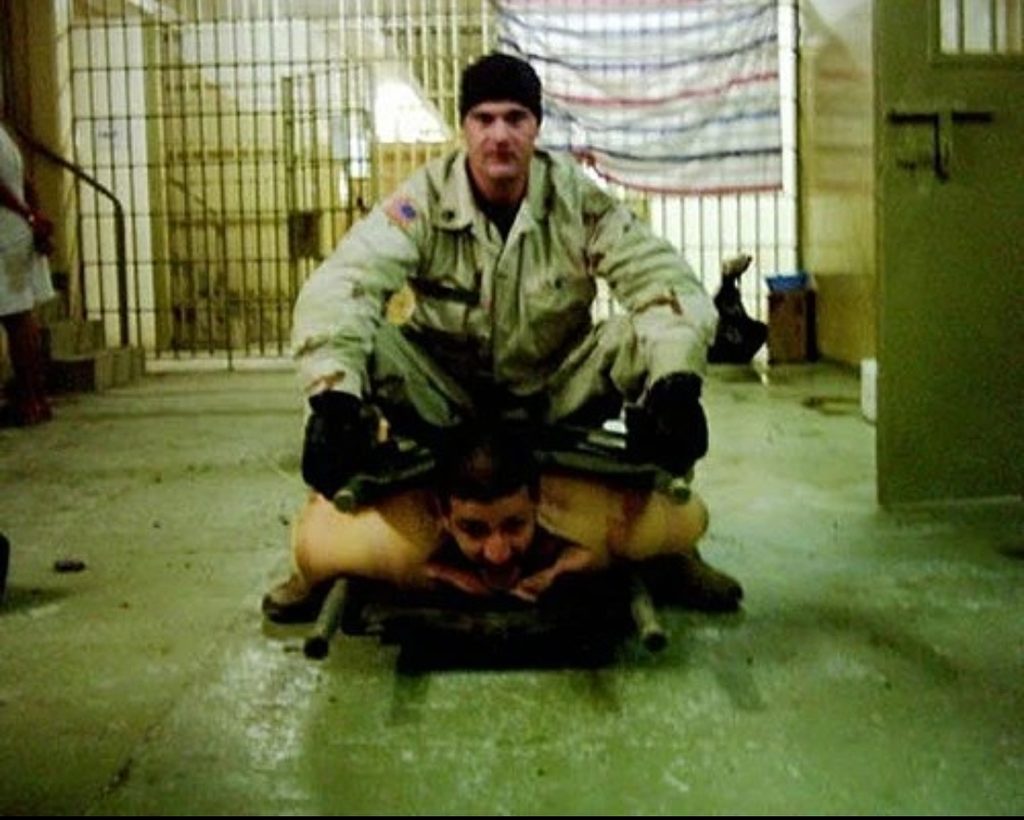
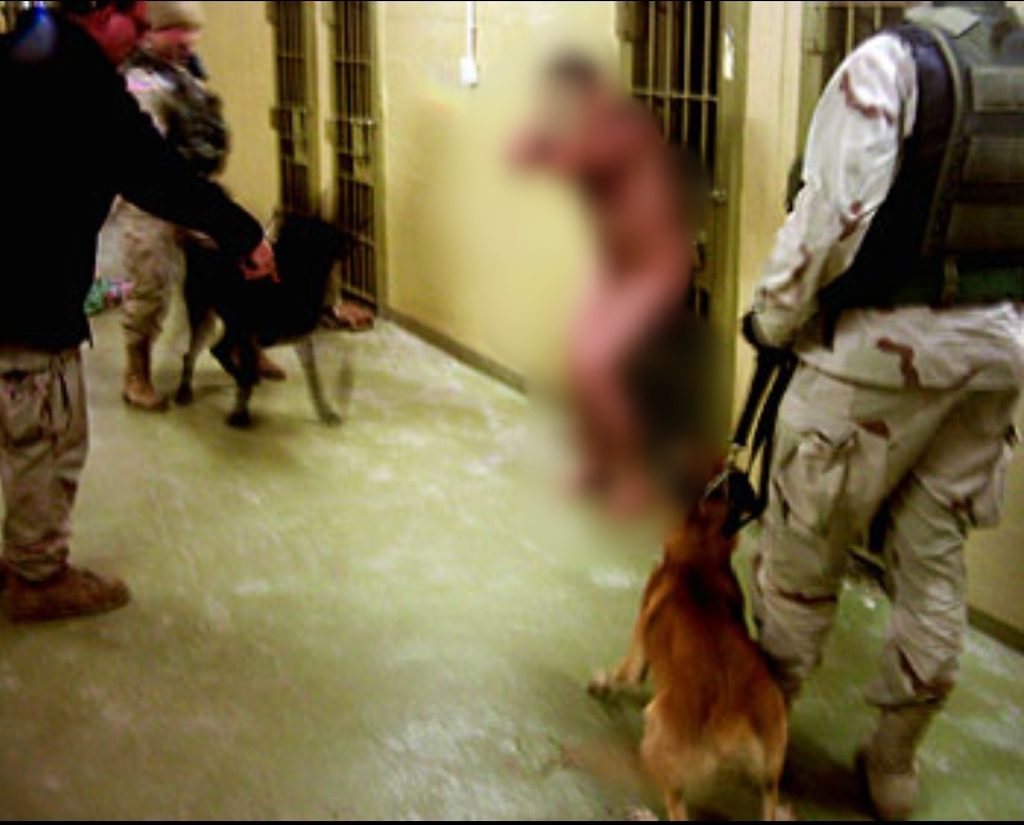
The United States and United Kingdom relied on their interpretation of earlier Security Council resolutions, including Resolutions 678, 687 and 1441. However, the Security Council did not adopt a new resolution explicitly authorizing the 2003 invasion.
In September 2004, UN Secretary-General Kofi Annan stated that the invasion was not in conformity with the UN Charter and described it as illegal.
The UK Iraq Inquiry subsequently identified serious failures in the British government’s decision-making, intelligence assessment, presentation of the threat and preparation for the post-invasion period.
The US-led invasion was therefore not an operation supported by a new, explicit Security Council authorization for the use of force in March 2003.
Weapons of mass destruction: What was actually found?
The invasion was publicly justified in significant part through claims about Iraq’s weapons of mass destruction.
Post-invasion investigations did not find the stockpiles of chemical and biological weapons that had been presented as a central justification for war.
The US Commission on the Intelligence Capabilities of the United States Regarding Weapons of Mass Destruction documented major intelligence failures.
This raises a fundamental question about the responsibility of governments that use intelligence claims to justify war.
The destruction of Iraq’s banking infrastructure
The IMF documented serious damage to Iraq’s financial system during and after the invasion.
Its research records:
· Looting of the main Central Bank building.
· Destruction of commercial bank branches.
· Theft of the banknote-printing press used for 10,000-dinar notes.
· Shortages of banknotes and disruption of monetary conditions.
· A contraction of approximately 35% in real GDP during 2003.
The collapse of security and institutional order contributed to this destruction. The occupation authorities also had responsibilities under the law of occupation to restore public order and protect civilian property and institutions.
It is therefore necessary to examine not only what happened during the invasion but also the decisions and failures of the occupation administration.
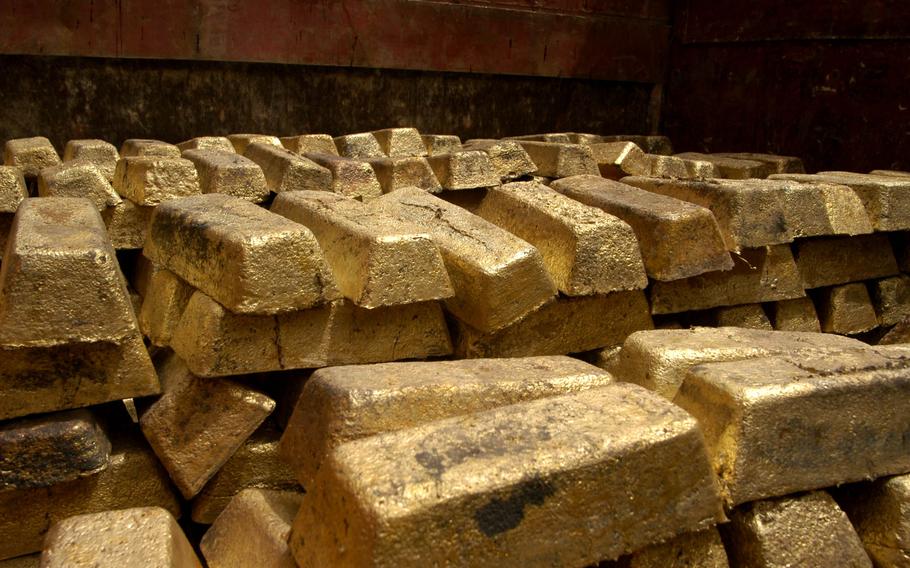
Iraq’s gold: What do the records establish?
The Iraq Survey Group reported approximately four tonnes of gold in the Central Bank of Iraq’s vaults in early June 2003.
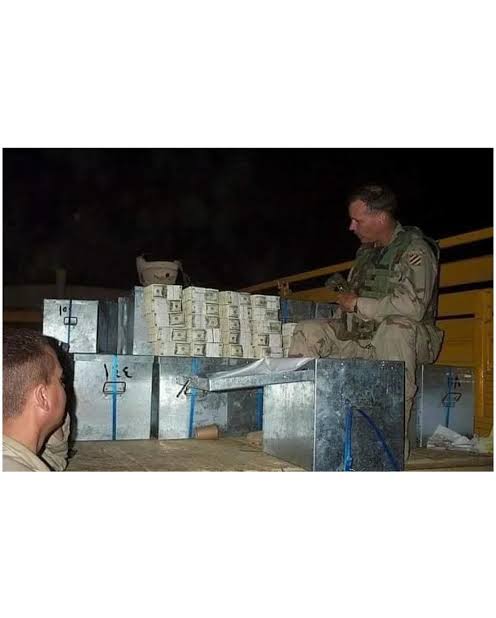
Contemporary reports also documented US forces recovering or seizing gold during the occupation.
In May 2003, American soldiers were photographed with gold bars found in a truck near Kirkuk. Contemporary reporting described the recovery of 999 gold bars.
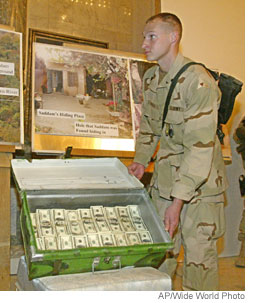
US forces also took control of Iraqi government assets and other financial property.
However, the quantity of gold found in different locations must not be confused with the four-tonne Central Bank reserve figure.
The available public records establish that American forces took control of Iraqi gold in specific incidents. They do not provide a complete public reconciliation of all the Central Bank reserves and every seized shipment.
The unanswered question is: Where is the complete audited record showing how much Iraqi gold was recovered, transferred, returned, retained or otherwise disposed of?
Iraqi money under American administration
A US congressional investigation examined the management of Iraqi funds by the Coalition Provisional Authority.
Its report documented that nearly $12 billion in US currency was shipped to Iraq between May 2003 and June 2004. The money included Iraqi oil revenues and frozen or seized assets.
The investigation identified inadequate financial controls and evidence of substantial waste, fraud and abuse.
The report does not establish that the entire amount was stolen. It does establish that billions of dollars of Iraqi funds were administered through a system with serious accountability failures.
Dissolution of Iraqi institutions
Coalition Provisional Authority Order No. 2 dissolved several Iraqi state entities, including the Iraqi armed forces and security institutions.
This decision affected employment, national security and the functioning of the Iraqi state.
The consequences were not limited to the destruction caused by military combat. Decisions made by the occupation administration also contributed to institutional breakdown.
IRAQ FINDING: The invasion, destruction and looting of financial infrastructure, dissolution of state institutions and serious failures in the administration of Iraqi funds are documented. The complete accounting of Iraqi gold remains an important unresolved investigative question. The evidence establishes serious consequences and institutional failures, but does not by itself prove that every action formed part of a single pre-planned programme to permanently destroy Iraq.
- LIBYA: THE 2011 NATO INTERVENTION AND CIVILIAN DEATHS
What did the United Nations authorize?
On March 17, 2011, the UN Security Council adopted Resolution 1973.
It authorized member states to take necessary measures to protect civilians and civilian-populated areas under threat in Libya. It excluded a foreign occupation force.
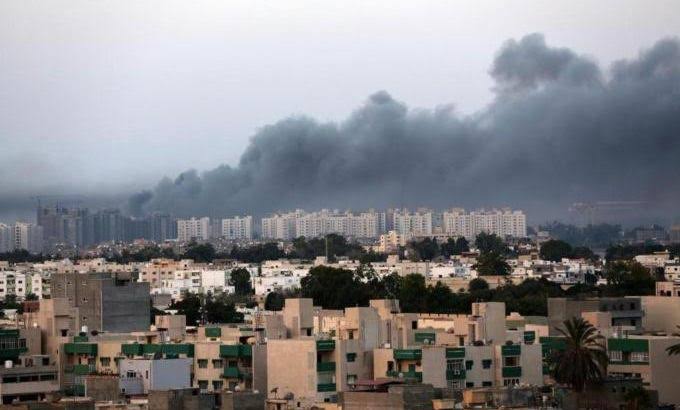
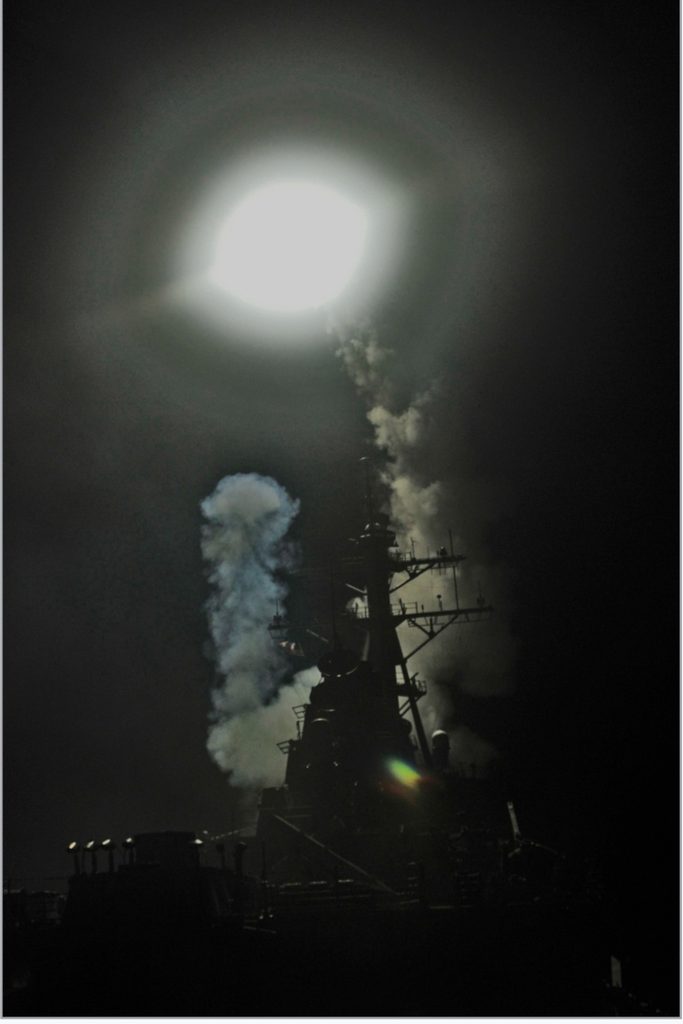
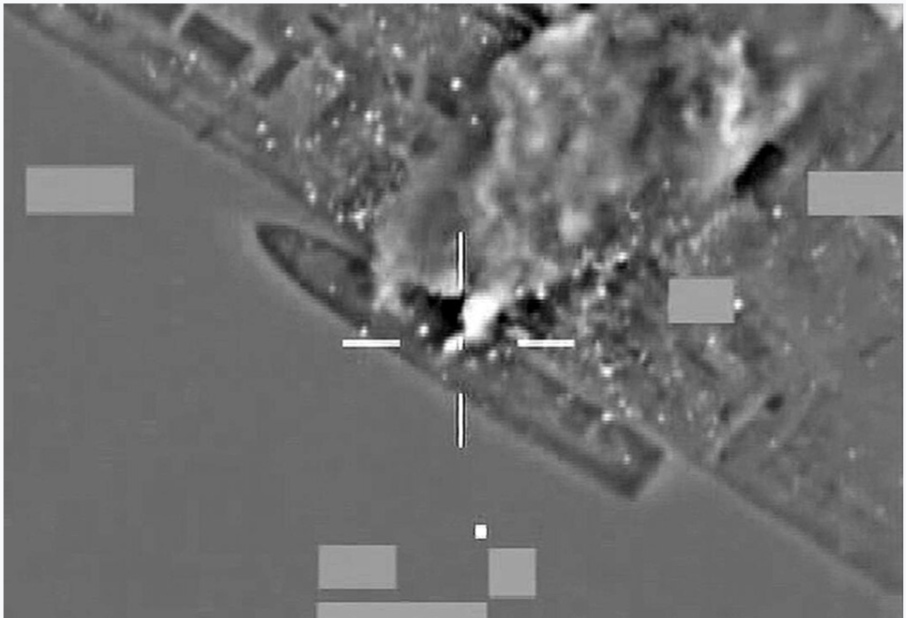
The United States, France and the United Kingdom began military operations on March 19. NATO subsequently assumed command of the campaign.
The resolution did not authorize unlimited military action or an unrestricted mandate to overthrow the Libyan government.
Civilian deaths documented by Human Rights Watch
Human Rights Watch investigated eight NATO airstrikes that killed 72 civilians, including 20 women and 24 children.
Its investigators visited the locations, interviewed witnesses, examined medical records and death certificates, inspected weapons debris and reviewed satellite imagery.
In two of the eight incidents, investigators found no evidence of a valid military target. At five other sites, evidence of military presence was limited or only possible.
These findings raised serious questions about target verification and precautions to protect civilians.
Civilian casualties alone do not automatically establish a war crime. However, credible allegations of unlawful attacks require investigation.
The fall of Gaddafi’s government
Muammar Gaddafi’s government fell in 2011, and Gaddafi was killed during the conflict.
NATO’s military campaign substantially supported the defeat of Gaddafi’s forces.
Libya subsequently experienced political fragmentation, armed conflict and prolonged institutional instability.
Domestic political divisions and armed groups also contributed to the country’s post-war crisis. It would therefore be inaccurate to attribute every subsequent Libyan problem exclusively to NATO.
LIBYA FINDING: The intervention had Security Council authorization for civilian protection, not an unrestricted regime-change mandate. NATO airstrikes killed civilians, and Human Rights Watch documented 72 deaths in eight investigated incidents. Questions about civilian protection, target selection, the limits of Resolution 1973 and the long-term consequences remain matters of international accountability.
- SYRIA: AMERICAN MILITARY OPERATIONS AND NATIONAL SOVEREIGNTY
US military operations
The United States began airstrikes against Islamic State targets in Syria in September 2014.
The US government relied on its domestic Authorizations for Use of Military Force and argued that its operations were justified under the right of self-defence.
The Syrian government did not provide general consent for the American military campaign.
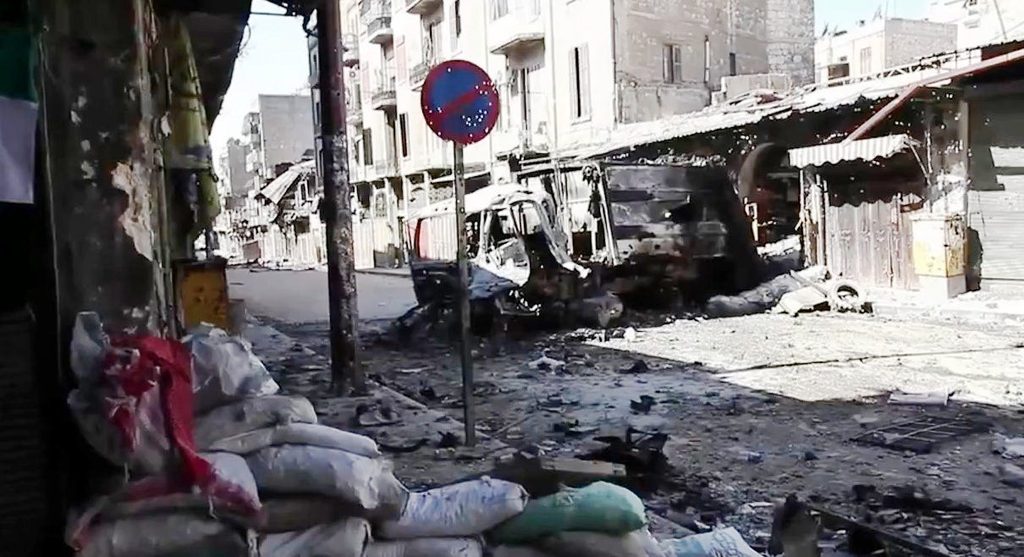
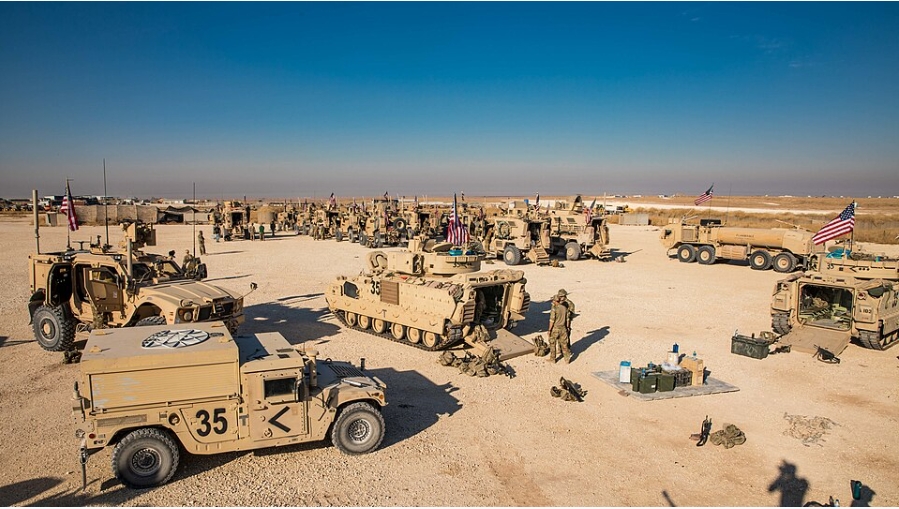
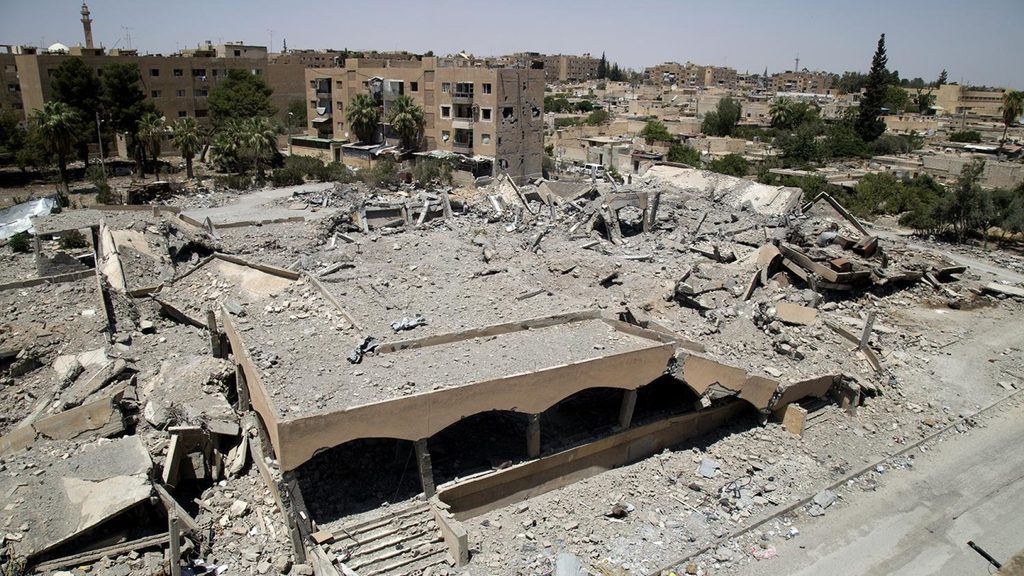
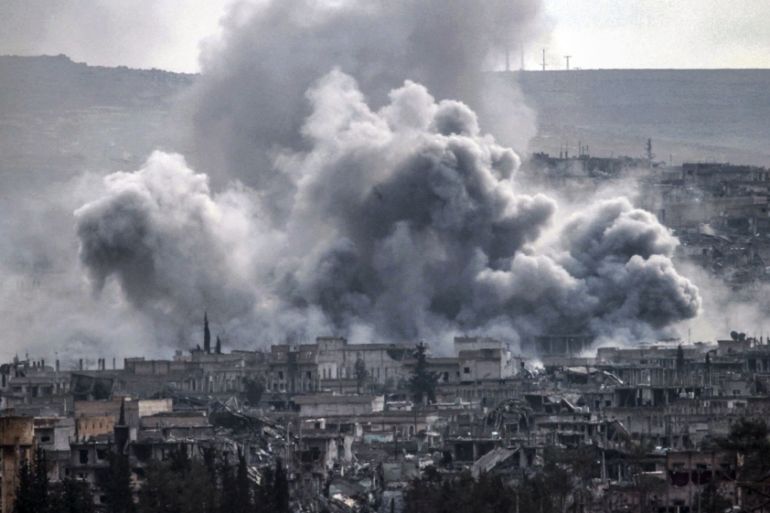
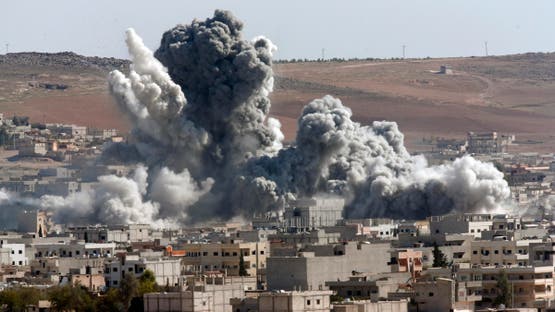
The United States also relied on the argument that Syria was unable or unwilling to address the threat posed by Islamic State.
That legal argument has been disputed internationally. A domestic US authorization does not, by itself, constitute authorization under the UN Charter.
American military presence
US forces operated in eastern and southern Syria, supporting partner forces and conducting operations against Islamic State remnants.
The US military presence and its legal basis have remained subjects of dispute because the Syrian government did not grant general consent.
Civilian casualties: An officially acknowledged incident
On May 3, 2023, US forces conducted a unilateral counterterrorism airstrike in northwestern Syria.
US Central Command later published the findings of an investigation. It acknowledged that a civilian, Lutfi Hasan Masto, was killed.
The investigation concluded that US forces had misidentified the intended target.
This is an important documented case because the civilian death was acknowledged by the US military itself.
SYRIA FINDING: American military operations and military presence in Syria are documented. The Syrian government’s lack of general consent creates a serious sovereignty and international-law dispute. CENTCOM officially acknowledged a civilian death resulting from a mistaken target identification. The legality of the broader campaign must be examined separately from the legality of individual strikes.
- VIETNAM: MASS BOMBING AND AGENT ORANGE
Operation Rolling Thunder
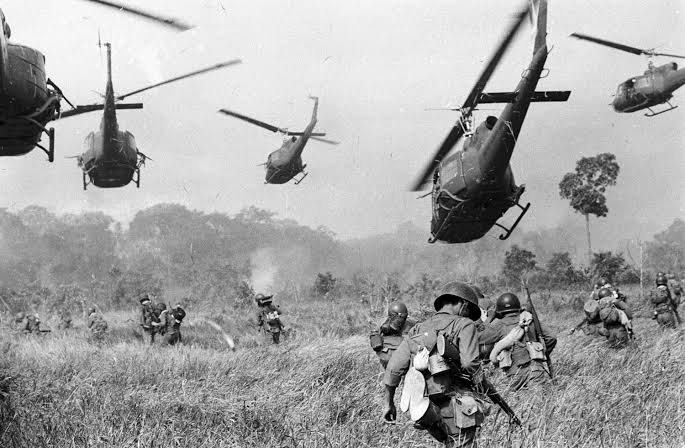
The United States conducted extensive bombing campaigns during the Vietnam War.
Operation Rolling Thunder began in 1965 and continued until 1968.
The US State Department’s historical record explains that the campaign was intended to increase military pressure on North Vietnam and weaken its ability to support forces operating in South Vietnam.
The bombing caused widespread destruction across Vietnam.
Agent Orange and chemical herbicide spraying
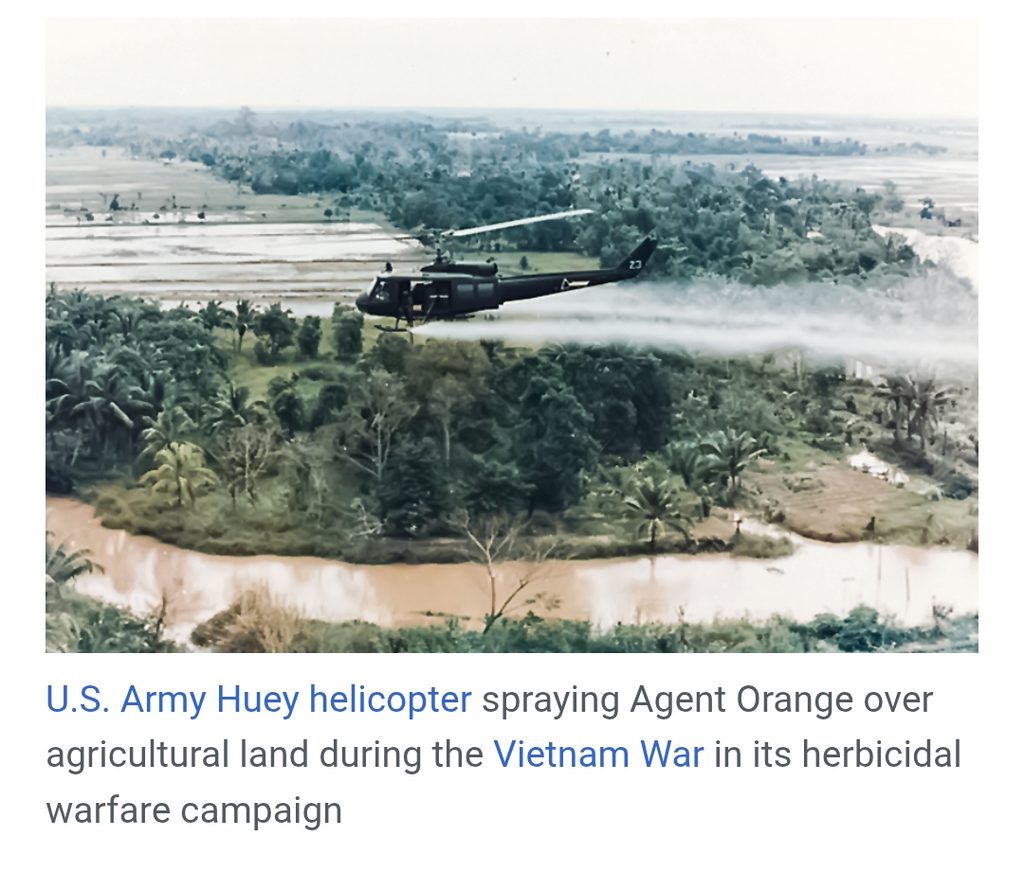
The National Academies documented that US military forces sprayed more than 19 million gallons of herbicides over Vietnam between 1962 and 1971.
The stated purposes included removing jungle cover, destroying crops and clearing vegetation around military installations.
At least 12 million gallons of the sprayed herbicides were Agent Orange, according to National Academies research.
Agent Orange contained a contaminant known as TCDD, a highly toxic dioxin.
Scientific research has associated exposure to TCDD with several serious health conditions, including certain cancers and adverse reproductive outcomes.
The health consequences of exposure have affected veterans and Vietnamese populations.
Civilian consequences
The bombing campaigns and herbicide operations caused extensive destruction and long-term suffering.
The exact total number of Vietnamese civilians killed remains disputed across historical estimates. This report does not present an unverified figure as a confirmed total.
VIETNAM FINDING: US bombing campaigns and large-scale herbicide spraying are established historical facts. The use of Agent Orange and the serious health consequences associated with dioxin exposure are documented.
- JAPAN: HIROSHIMA, NAGASAKI AND THE TOKYO FIREBOMBING
Hiroshima — August 6, 1945
The United States dropped the uranium-based atomic bomb, Little Boy, on Hiroshima.
The bombing destroyed large areas of the city and caused mass civilian deaths.
The National Security Archive documents estimates ranging from approximately 70,000 to 140,000 deaths in Hiroshima by the end of 1945.
Nagasaki — August 9, 1945
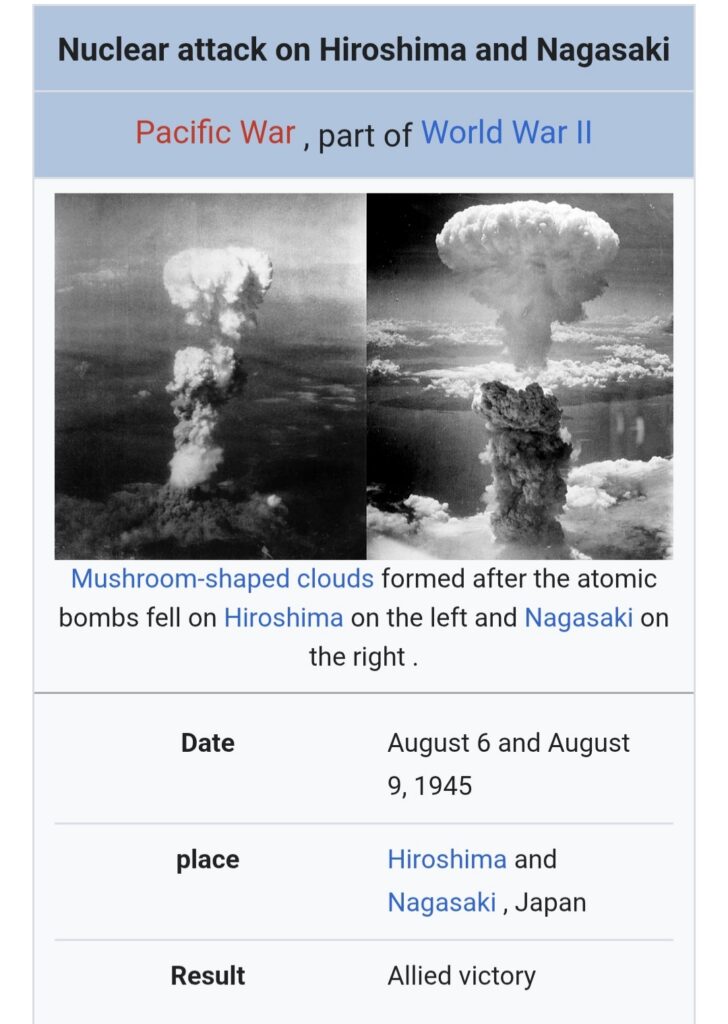
The United States dropped the plutonium-based atomic bomb, Fat Man, on Nagasaki.
The National Security Archive records estimates ranging from approximately 40,000 to 110,000 deaths by the end of 1945.
Both cities also experienced deaths and serious illnesses associated with radiation exposure.
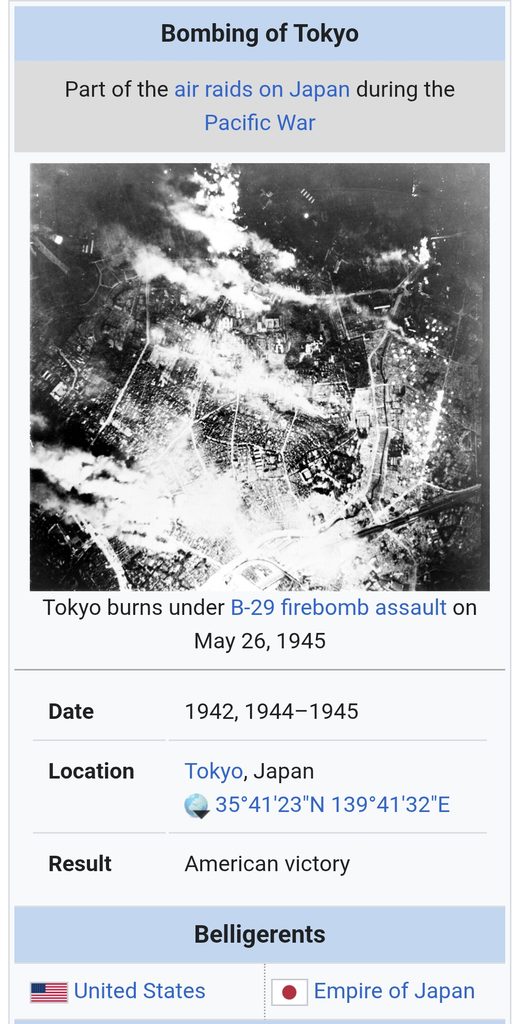
Tokyo firebombing — March 9–10, 1945
The US Army Air Forces carried out a massive incendiary bombing campaign against Tokyo.
The attack destroyed extensive residential areas, killed large numbers of people and left more than a million residents homeless.
Historical estimates of deaths vary, but the destruction of civilian neighbourhoods is extensively documented.
Legal and historical context
The attacks took place during the Second World War, before the adoption of the UN Charter in 1945 and the later development of much of the modern international criminal-law framework.
Their military necessity, morality and legality remain subjects of historical and legal debate.
It would be inaccurate to claim that an international court has convicted the United States for the atomic bombings.
JAPAN FINDING: The United States carried out the atomic bombings of Hiroshima and Nagasaki and the firebombing of Tokyo. The enormous civilian destruction and loss of life are established historical facts. Their legal assessment must account for the law applicable at the time and must not be confused with a later judicial conviction.
- CUBA: BAY OF PIGS, COVERT OPERATIONS AND THE ECONOMIC EMBARGO
Bay of Pigs invasion — April 1961
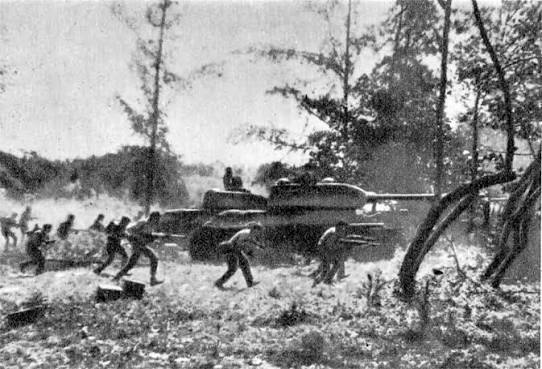
The US government sponsored an invasion of Cuba by Cuban exiles in April 1961.
The operation was organized with CIA support and aimed to overthrow Fidel Castro’s government.
The invasion failed.
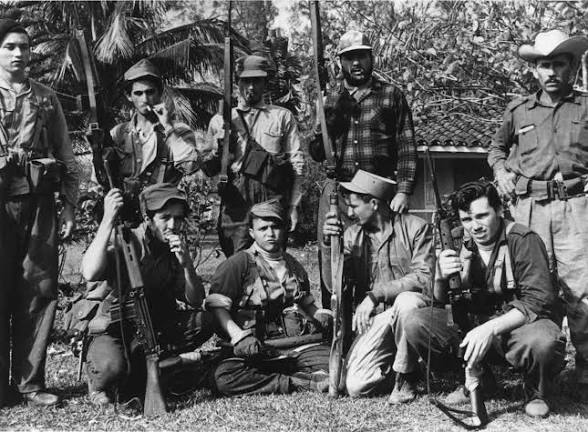
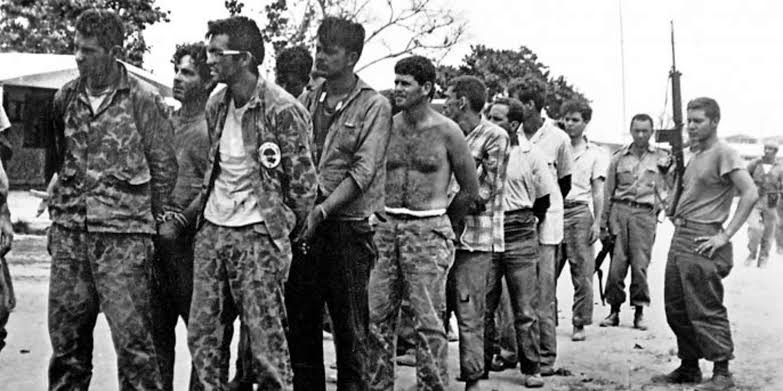
The US State Department’s historical account acknowledges the operation and its objective.
This was an armed intervention intended to overthrow another country’s government, not merely a diplomatic disagreement.
Operation Mongoose
After the failure of the Bay of Pigs invasion, the US government developed Operation Mongoose.
Declassified US government documents describe its objective as helping overthrow the Cuban government through political, economic and covert action.
The January 1962 operational review included economic warfare, psychological operations and support for sabotage and armed resistance.
These are not allegations based solely on foreign political statements. They are recorded in declassified American government documents.
The economic embargo
The United States imposed a near-total trade embargo on Cuba in February 1962. The sanctions regime was subsequently expanded and modified.
The United Nations General Assembly has repeatedly adopted resolutions calling for an end to the US economic, commercial and financial embargo.
In the 2025 vote, 165 countries supported the resolution, seven opposed it and 12 abstained.
The General Assembly vote demonstrates extensive international opposition to the embargo. It is not, by itself, a binding judicial ruling that the embargo constitutes terrorism or a war crime.
Sovereignty and accountability
The Bay of Pigs invasion and Operation Mongoose demonstrate direct US efforts to change Cuba’s government.
The long-running embargo has imposed substantial economic restrictions. Its effects, the US government’s stated policy objectives and Cuba’s own domestic economic policies must be examined separately.
CUBA FINDING: US sponsorship of the Bay of Pigs invasion, the development of Operation Mongoose and the imposition of the embargo are documented. The declassified records establish that overthrowing the Cuban government was an explicit objective of US covert policy. The legal classification of these actions must be assessed under the relevant international rules rather than assumed from their political purpose alone.
- VENEZUELA: SANCTIONS, POLITICAL PRESSURE AND ECONOMIC CONSEQUENCES
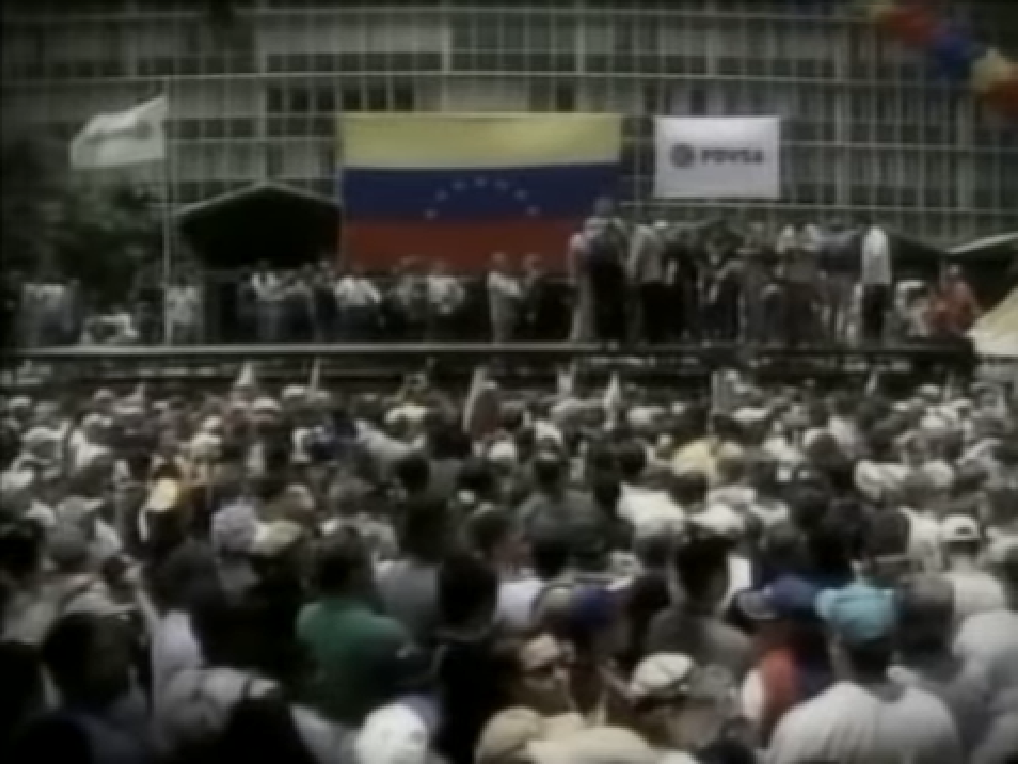
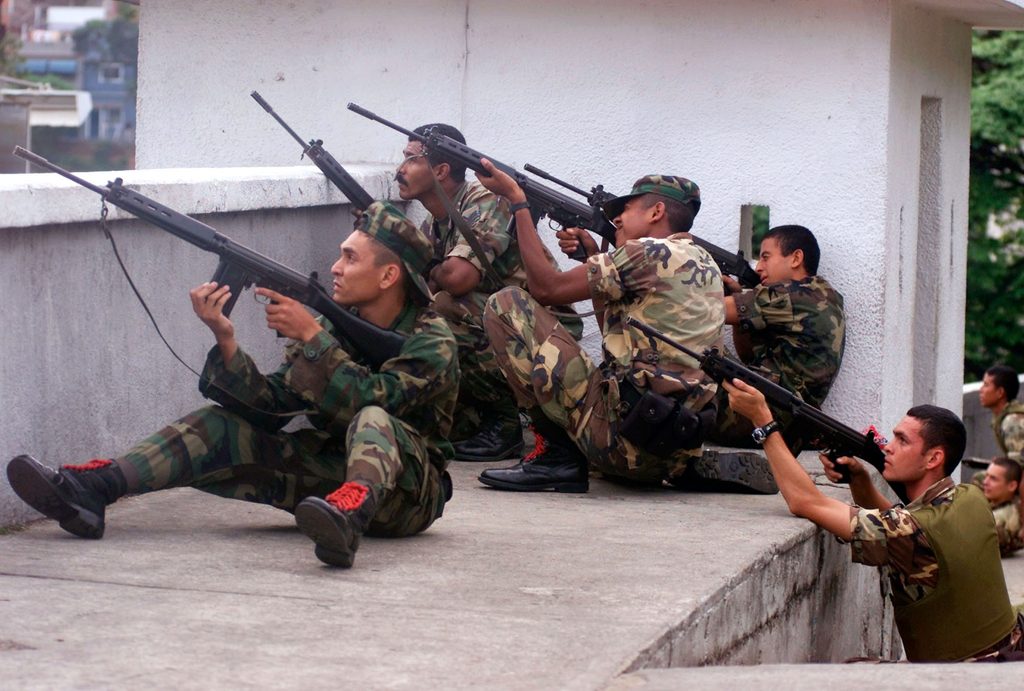
The 2002 attempted overthrow of Hugo Chávez
In April 2002, Venezuelan President Hugo Chávez was briefly removed from power during a coup attempt.
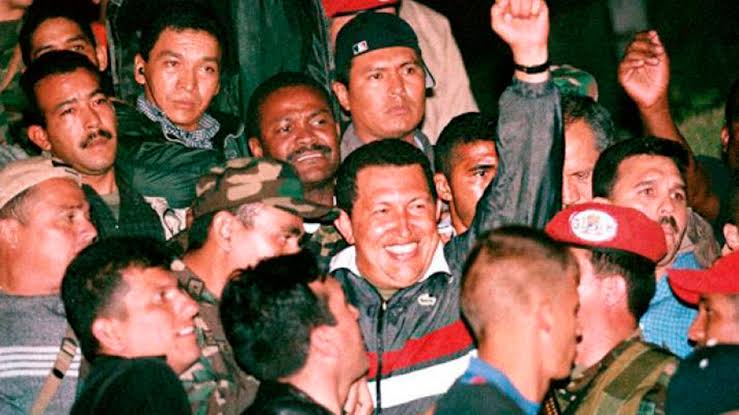
The US government faced allegations concerning its contacts with Venezuelan opposition and military figures before the events.
A US State Department Inspector General review examined the conduct of the Department and the US Embassy in Caracas.
The review found no evidence that the Department or Embassy had planned, participated in or encouraged the overthrow of President Chávez.
This finding must be reported accurately. It does not prove that every US policy toward Venezuela was free of political interference, but it does not support a claim that the US government organized the 2002 coup.
Economic sanctions
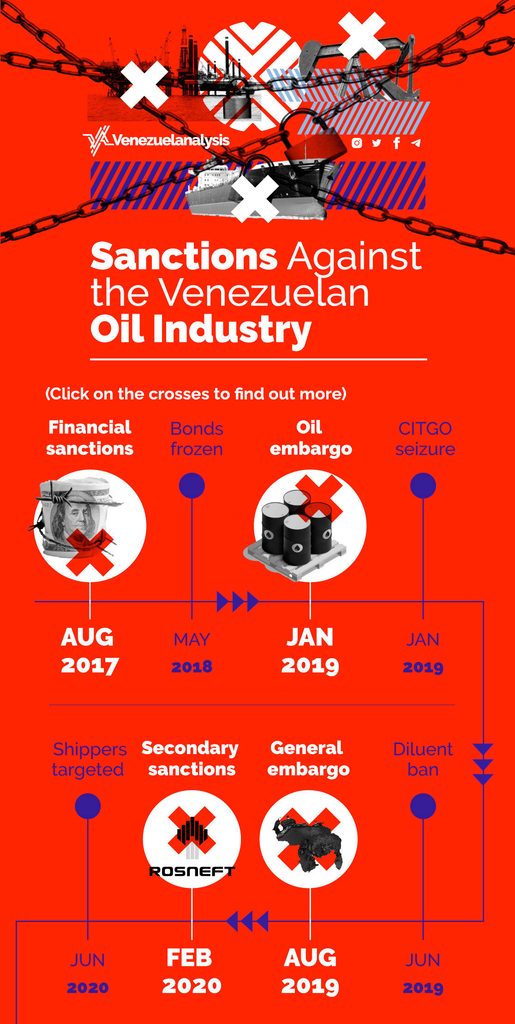
The United States imposed targeted sanctions on Venezuelan individuals and entities beginning in 2005.
In 2017, the US expanded financial restrictions. In January 2019, it imposed major sanctions on Venezuela’s state oil company, PDVSA.
The US sanctions regime subsequently included financial and sectoral restrictions and restrictions affecting oil transactions.
The Congressional Research Service documented the evolution of these measures and the changes in sanctions relief.
Effects on the civilian population
The UN Special Rapporteur on the negative impact of unilateral coercive measures visited Venezuela in February 2021.
Her October 2021 report concluded that sanctions affecting oil, gold and mining, the freezing of Central Bank assets and financial overcompliance had exacerbated Venezuela’s pre-existing economic and social crisis and had serious consequences for the population.
The report identified particularly severe effects on people living in poverty, women, children, older persons, people with disabilities and people with serious medical conditions.
The US government and other critics of this assessment have emphasized that Venezuela’s economic crisis also involved domestic policy failures, corruption, mismanagement and other factors.
The US Energy Information Administration has likewise identified government mismanagement, sanctions and the economic crisis as factors affecting Venezuela’s energy sector.
Therefore, it would be inaccurate to attribute the entire Venezuelan economic crisis to US sanctions alone. It would also be inaccurate to ignore the documented effects of sanctions on the country’s financial and oil sectors.
VENEZUELA FINDING: US sanctions and political pressure are documented. A UN Special Rapporteur concluded that sanctions exacerbated the existing crisis and harmed civilian living conditions. The 2002 US Inspector General review did not find evidence that the State Department or US Embassy planned or encouraged the coup. The respective contributions of sanctions and domestic policy failures to Venezuela’s economic crisis remain a matter of debate, and a comprehensive assessment must examine both.
- FINAL ASSESSMENT: THE DOUBLE STANDARD
THE WORLD’S UPDATE concludes that US military actions — whether carried out through nuclear bombs, conventional bombing, chemical spraying, or economic sanctions — that deliberately or foreseeably kill civilians for strategic purposes constitute terrorism. This is a moral and political judgment, not a legal verdict.
The evidence presented in this investigation establishes that:
· The United States carried out military interventions and bombing campaigns that caused extensive civilian suffering.
· In several cases, these actions violated international law or raised serious legal questions.
· The United States has not faced international criminal accountability because it is not a party to the ICC and has actively undermined the court’s jurisdiction.
· The absence of a legal conviction is not evidence of innocence; it is evidence of impunity.
The central finding of this investigation is the double standard: the United States designates other countries as state sponsors of terrorism while refusing to submit to the same legal standards itself.
International courts have not convicted the United States of state terrorism. But the absence of a legal conviction is not the absence of a verdict. The court of public opinion — expressed through UN General Assembly votes, global human rights investigations, and independent documentation — has reached a clear conclusion: the United States has carried out and sponsored acts that meet the moral and political definition of state terrorism.
The laws were created to protect the people. When those laws are weakened by the powerful, the people must rely on the only remaining mechanisms: public opinion, independent documentation, and the refusal to remain silent. This investigation is an act of documentation. It does not claim to be a court verdict. But it is a record that the people can use — in the court of public opinion, in the halls of the United Nations, and in the pages of history.
SOURCES & REFERENCES
- UN Charter, Article 2(4) and Article 51: https://www.un.org/en/about-us/un-charter/full-text
- ICRC, Additional Protocol I, Article 51: https://ihl-databases.icrc.org/en/ihl-treaties/api-1977/article-51
- US Government Accountability Office, GAO-07-444: https://www.gao.gov/products/gao-07-444
- US Government Accountability Office, GAO-04-1006: https://www.gao.gov/assets/a257970.html
- International Monetary Fund, Economic Impact of Selected Conflicts: https://www.elibrary.imf.org/view/journals/001/2014/100/article-A001-en.xml
- CIA-hosted Iraq Survey Group report, Iraq’s gold reserves: https://www.cia.gov/readingroom/docs/DOC_0001156395.pdf
- Al Jazeera, Iraq money and gold retrieved, May 27, 2003: https://www.aljazeera.com/news/2003/5/27/iraq-money-and-gold-retrieved
- UK Parliament, Chilcot Inquiry summary: https://commonslibrary.parliament.uk/research-briefings/cdp-2016-0235/
- Official Iraq Inquiry Executive Summary: https://assets.publishing.service.gov.uk/government/uploads/system/uploads/attachment_data/file/535407/The_Report_of_the_Iraq_Inquiry_-_Executive_Summary.pdf
- Human Rights Watch, Libya airstrikes investigation (2012)
- US Central Command, investigation into May 3, 2023 airstrike in Syria
- US National Archives, The Pentagon Papers: https://www.archives.gov/research/pentagon-papers
- The Economic Journal, Collateral Damage: The Legacy of the Secret War in Laos: https://academic.oup.com/ej/article/134/661/2101/7588837
- National Academies, Agent Orange research
- US National Archives, Strategic Bombing Survey records: https://www.archives.gov/research/guide-fed-records/groups/243.html
- Truman Library, Strategic Bombing Survey records: https://www.trumanlibrary.gov/library/federal-record/records-united-states-strategic-bombing-survey
- US State Department, historical account of Bay of Pigs
- Declassified US government documents, Operation Mongoose
- UN General Assembly, resolution on Cuba embargo (2025 vote)
- UN Special Rapporteur on unilateral coercive measures, Venezuela report (October 2021)
- US State Department Inspector General, review of Venezuela policy (2002)
- Congressional Research Service, Venezuela sanctions documentation
THE WORLD’S UPDATE
Standing with the oppressed. Speaking for the unheard. Seeking truth without fear.