Author, Writer & Editor: MD MOHMMAD ABBAS
Affiliation: THE WORLD’S UPDATE
Date: November 19, 2026
Historic Judgment Against Myanmar
The International Court of Justice (ICJ), the United Nations’ principal judicial organ, has ruled that Myanmar committed genocide against the Rohingya Muslim minority during military operations in 2016–2017.
The landmark judgment, delivered on November 19, 2026, in The Hague, marks the first time the ICJ has found a state responsible for committing genocide. The ruling followed a case brought by The Gambia against Myanmar under the 1948 Genocide Convention.
The court found that Myanmar’s military operations in Rakhine State involved killings, widespread sexual violence, extreme violence against children and attacks on Rohingya civilians attempting to flee.
Thousands Killed and More Than 700,000 Displaced
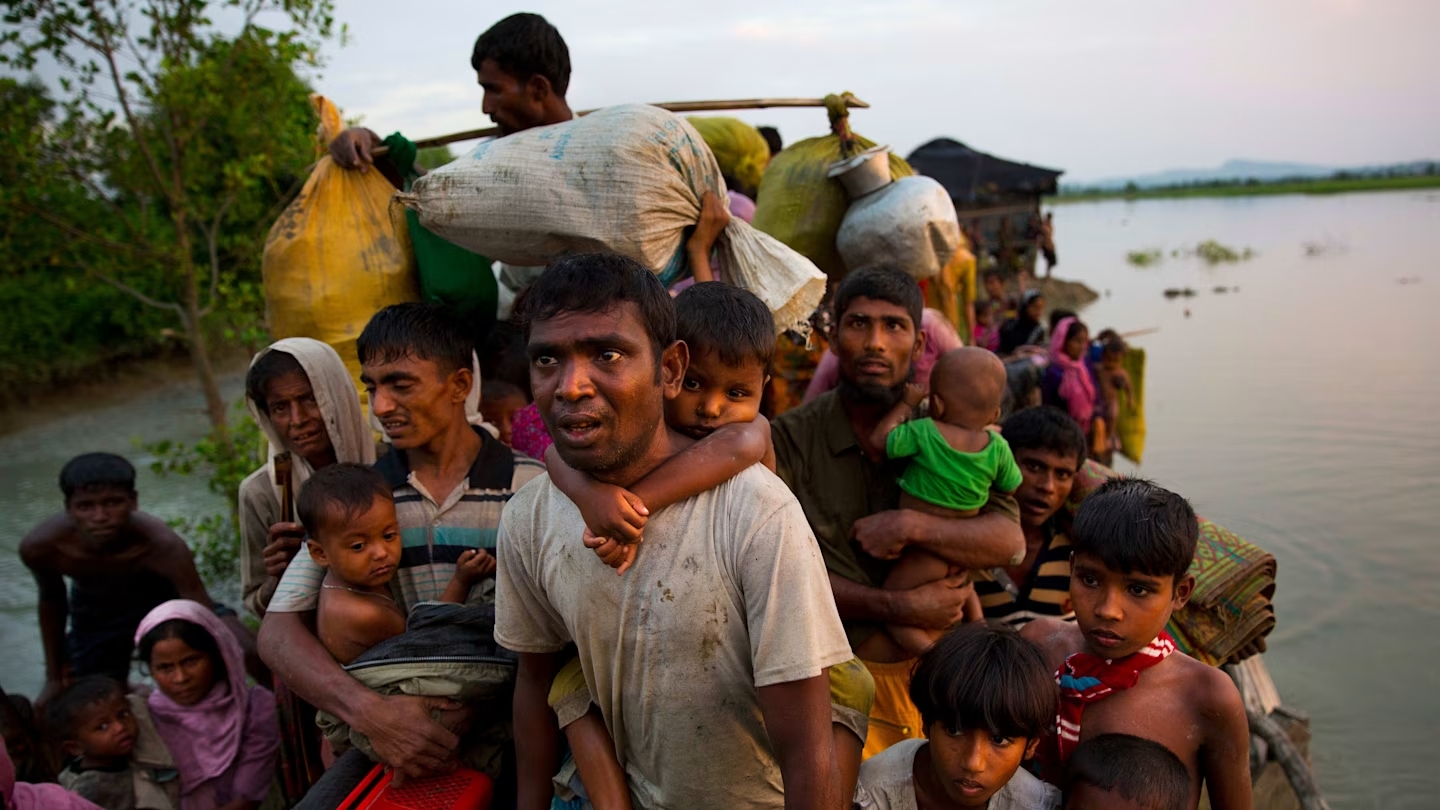
During the military campaign in 2016 and 2017, more than 700,000 Rohingya were forced to flee Myanmar and seek refuge in Bangladesh.
The atrocities documented during the campaign included mass killings, sexual violence, the destruction and burning of villages, attacks on civilians and the displacement of entire communities.
The Rohingya, a predominantly Muslim ethnic minority, have faced decades of discrimination, restrictions on citizenship, movement and access to basic rights in Myanmar.
The ICJ’s ruling represents a major legal recognition of the crimes committed against the community.
The Gambia’s Case and the Genocide Convention
The Gambia filed its case against Myanmar at the ICJ in November 2019, alleging violations of the Convention on the Prevention and Punishment of the Crime of Genocide.
The case sought to establish Myanmar’s responsibility under international law and secure measures to protect the Rohingya population, prevent further genocidal acts and address the consequences of the atrocities.
The court’s judgment is final and binding under international law, although the ICJ does not have its own enforcement mechanism comparable to a national police force.
Potential Implications for Gaza Genocide Case
The ruling is also being closely watched because of its potential implications for South Africa’s separate genocide case against Israel concerning Gaza.
Legal observers have highlighted the importance of the Myanmar judgment in examining how courts assess genocidal intent, patterns of violence, civilian deaths, displacement and other evidence under the Genocide Convention.
However, the Myanmar judgment does not automatically determine the outcome of South Africa’s case against Israel. Each case must be examined independently on its evidence, legal arguments and circumstances.
The Bottom Line
The ICJ’s judgment against Myanmar represents a historic moment for the Rohingya community and international justice. For the first time, the world’s principal international court has found a state responsible for genocide.
The ruling provides legal recognition to the atrocities suffered by Rohingya victims and may influence future international legal proceedings involving allegations of genocide.
Sources:
- The Guardian: https://www.theguardian.com/world/2026/nov/19/genocide-rohingya-international-court-of-justice-ruling-myanmar
- Reuters: https://www.reuters.com/world/asia-pacific/top-un-court-rule-alleged-genocide-myanmars-rohingya-2026-11-18/
- Human Rights Watch: https://www.hrw.org/news/2026/11/19/world-court-finds-myanmar-responsible-for-rohingya-genocide
- Amnesty International: https://www.amnesty.org/en/latest/news/2026/11/historic-un-ruling-that-myanmar-committed-genocide-against-rohingya-is-rare-victory-for-survivors/
- ICJ: https://www.icj-cij.org/
THE WORLD’S UPDATE
Standing with the oppressed. Speaking for the unheard. Seeking truth without fear.