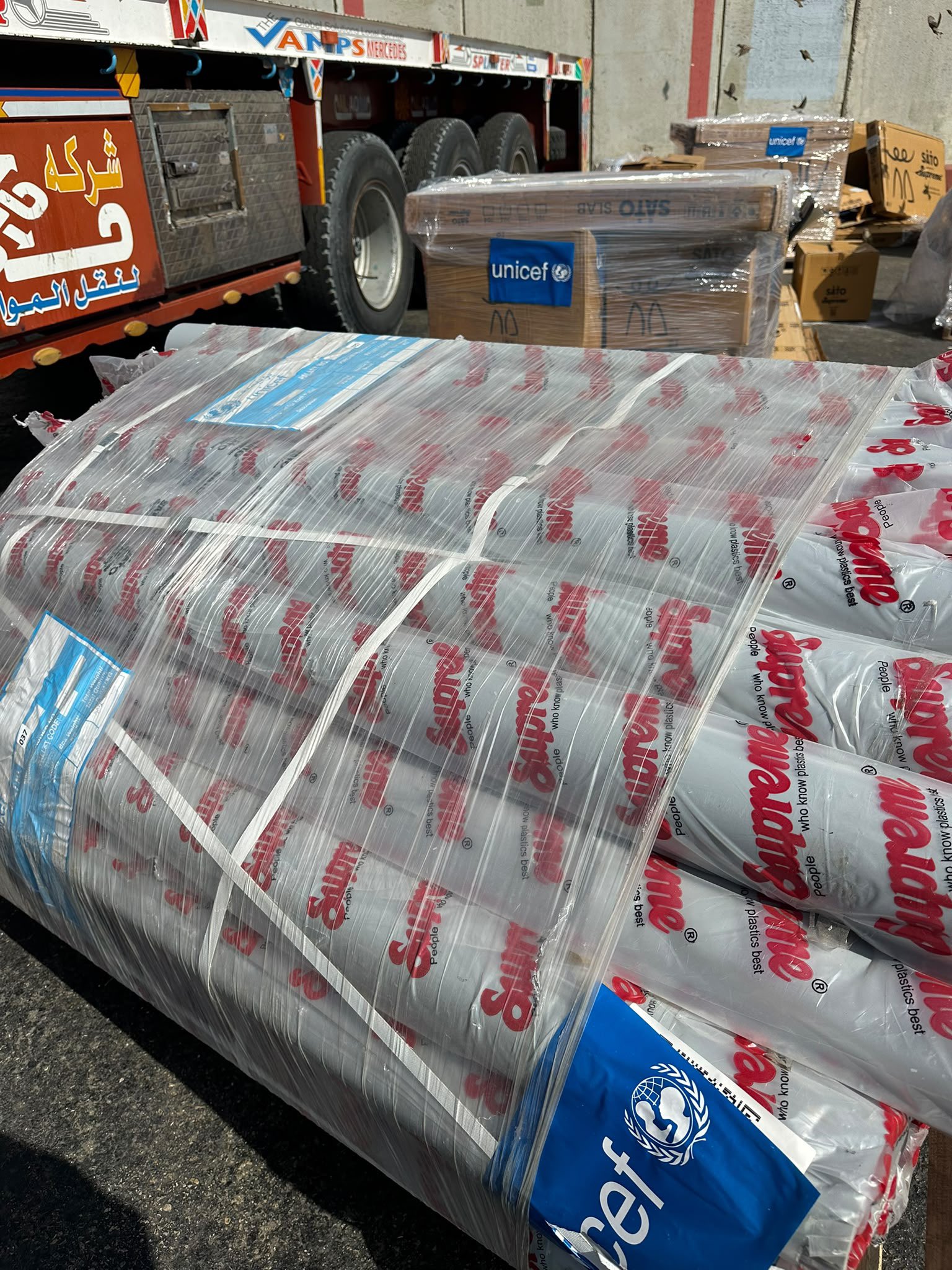
The Israeli military claims that more than 91,000 tents and 8,200 trucks carrying winter supplies have entered Gaza. But UN humanitarian figures show that displaced Palestinians still face major shelter shortages. At the same time, Israel continues to block mobile homes from entering Gaza while advancing mobile-home settlement plans in the occupied West Bank.
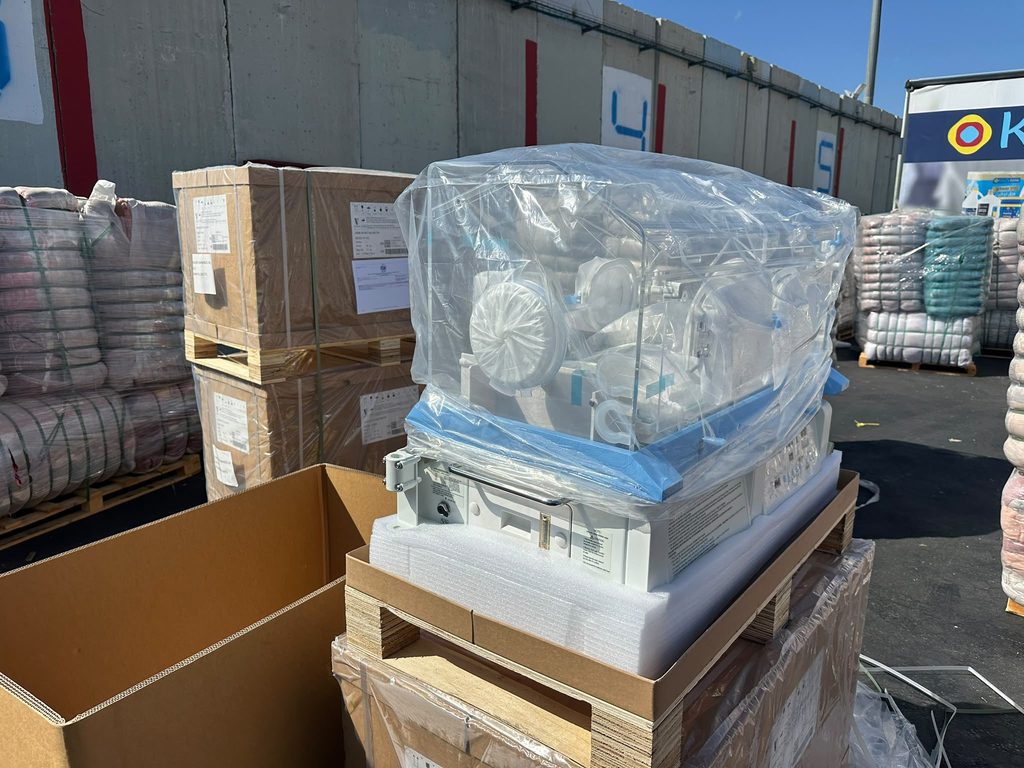
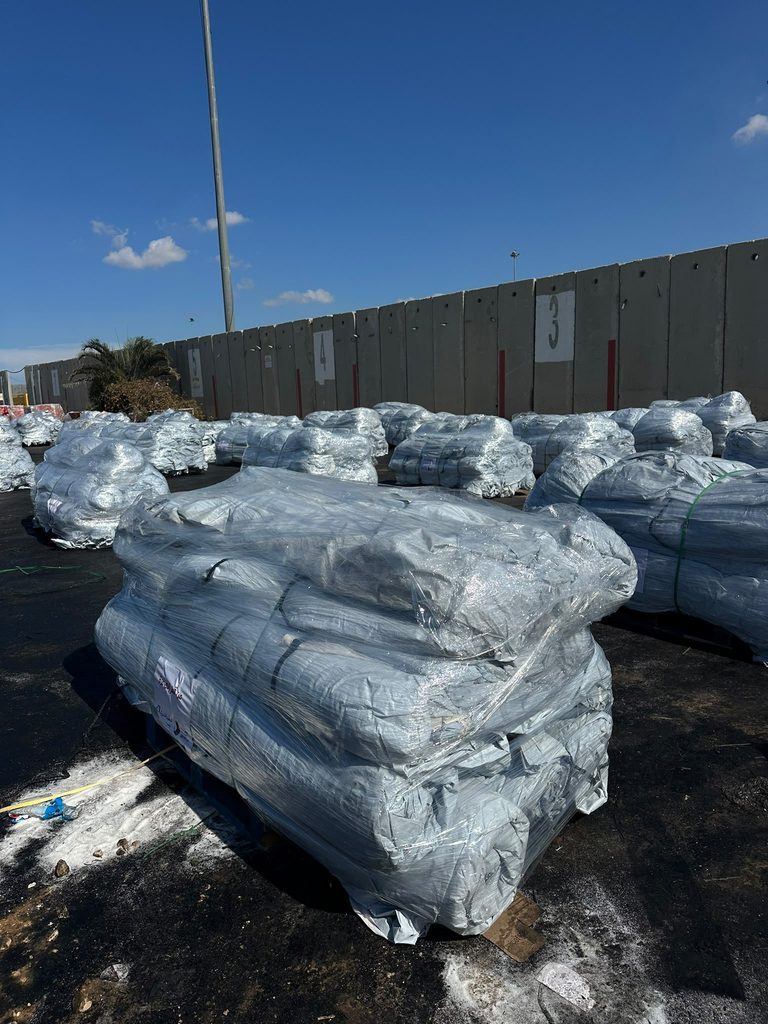
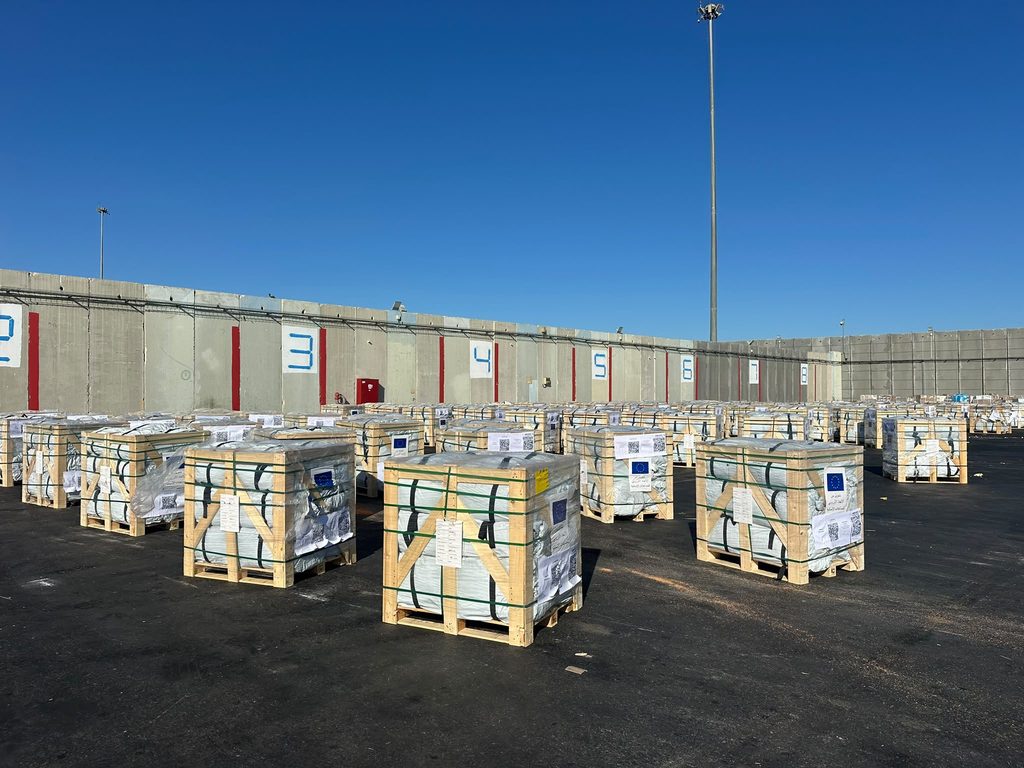
The Israeli military has presented its winter preparations in Gaza as a major humanitarian achievement.
In a statement, the IDF claimed that more than 91,000 tents and 8,200 trucks carrying winter supplies had entered the Gaza Strip.
It also announced approval for 7,500 vaccine doses for UNICEF and three mobile clinics for the International Medical Corps.
But these announcements raise an important question: Are humanitarian supplies actually reaching Palestinian families, or are approvals and shipments being presented as proof that Gaza’s humanitarian crisis is being addressed?
1. UNICEF and Humanitarian Supplies: What Is Actually Reaching Gaza?
The Israeli statement itself refers to the approval of 7,500 vaccine doses for UNICEF.
Approval, however, is not the same as delivery. Nor does it establish that the supplies were purchased or provided by Israel.
Humanitarian organisations and donor countries are responsible for procuring and delivering much of the assistance.
UNICEF’s November 9 report confirmed that it and its partners had distributed winter clothing and thermal blankets to 10,000 children during the previous week.
But the agency also warned that around 1.7 million displaced people were still living in tents, makeshift shelters or damaged buildings.
UNICEF reported that families remained exposed to flooding and cold weather.
The distribution of humanitarian supplies by UNICEF and its partners should not automatically be presented as an achievement belonging to the Israeli military.
2. UN Figures Show the Scale of Gaza’s Shelter Shortage
A United Nations OCHA report published on November 5 described the continuing shortage of winter supplies.
According to the report:
- Around 121,000 tents were still needed in Gaza.
- Humanitarian partners had approximately 2,800 tents in their available stocks inside Gaza.
- Around 2,000 additional tents were awaiting entry outside the Strip.
- No emergency shelter kits were available.
- The estimated funding gap for winterisation was $186.5 million.
OCHA also reported that the entry of timber needed for emergency shelter kits continued to be rejected by Israeli authorities.
These figures show why announcing the number of trucks that have entered Gaza is not enough. The needs of displaced families remain far greater than the available supplies.
3. Mobile Homes Blocked in Gaza, but Advanced for West Bank Settlements
One of the most important contradictions concerns mobile homes.
Israel continues to prohibit mobile homes from entering Gaza. Humanitarian organisations say these units are important for protecting displaced families against heavy rain and winter conditions.
But developments in the occupied West Bank show a different approach.
On October 20, Palestinian news agency WAFA reported that Israeli forces had brought mobile homes, known as caravans, to the evacuated Sanur military camp south of Jenin. The move raised concerns about the establishment of a new settlement outpost.
Separately, the Israeli settlement-monitoring organisation Peace Now reported on October 26 that plans were being advanced for mobile-home neighbourhoods at two proposed settlement sites in the West Bank.
This contrast raises serious questions about the priorities governing the movement and placement of temporary housing.
Palestinian families displaced in Gaza need protection from winter weather. At the same time, mobile-home infrastructure is being advanced for Israeli settlement projects in occupied Palestinian territory.
4. The Humanitarian Crisis Cannot Be Measured by Israeli Announcements
The IDF also claims that around half of more than 850 approved requests for winter equipment have not been carried out because of logistical and financial difficulties faced by international organisations.
That explanation is an Israeli military claim. It should be examined alongside the UN’s documented concerns about restrictions on essential equipment, shortages and delayed entry.
The humanitarian situation must be assessed through actual deliveries, distribution records and the living conditions of Palestinian families.
The questions remain:
- How many supplies have actually reached displaced families?
- How much humanitarian equipment remains outside Gaza?
- Why are essential shelter materials and mobile homes still restricted?
- Why are mobile-home settlement projects being advanced in the occupied West Bank while displaced families in Gaza remain exposed to winter conditions?
Conclusion
Humanitarian aid should not become a public-relations exercise.
UNICEF, the United Nations, international organisations and donor countries are working to provide assistance to Palestinians in Gaza. Their work should be properly credited.
But the presence of aid trucks, photographs of supplies and approvals for humanitarian equipment cannot hide the continuing shortage of shelter and essential services.
The real measure of humanitarian action is whether Palestinian families receive the protection, water, sanitation, medical care and shelter they urgently need.
Gaza’s humanitarian crisis must be judged by conditions on the ground, not by military press statements.
Sources
- Israeli military statement: https://x.com/CaptainElla1/status/2119823723964367176
- UN OCHA, 5 November 2026: https://www.ochaopt.org/content/humanitarian-situation-report-5-november-2026
- UNICEF, 9 November 2026: https://www.unicef.org/press-releases/three-children-killed-heavy-rains-batter-displaced-families-gaza-unicef
- The Times of Israel, 9 November 2026: https://www.timesofisrael.com/board-of-peace-warns-israel-to-send-more-winter-aid-to-gaza-as-idf-says-supplies-delivered/
- WAFA, 20 October 2026: https://english.wafa.ps/Pages/Details/176128
- Peace Now, 26 October 2026: https://peacenow.org.il/en/401hu
Standing with the oppressed. Speaking for the unheard. Seeking truth without fear.