Author, Writer & Editor: MD MOHMMAD ABBAS
Affiliation: THE WORLD’S UPDATE
Date: November 21, 2026
The ongoing Iran war could cost the six Persian Gulf Arab economies nearly $990 billion in combined physical damage and lost economic output through 2030, according to estimates by Allianz Research.
The estimate includes more than $200 billion in physical damage to infrastructure and approximately $790 billion in projected lost economic output over the 2026–2030 period compared with pre-war economic projections.
The figures have circulated in financial reporting, including reports referencing Yahoo Finance, as concerns grow over the conflict’s long-term economic consequences for Gulf countries.
More Than $200 Billion in Infrastructure Damage
According to the Allianz assessment, physical damage across Gulf economies is estimated at just over $200 billion, with energy infrastructure among the most severely affected sectors.
More than 80 energy facilities have reportedly been hit during the conflict, with approximately one-third suffering severe damage. The damage has affected energy infrastructure, production facilities and other strategically important assets.
The economic impact extends beyond direct destruction, affecting shipping, trade, tourism, investment and regional business activity.
$790 Billion in Projected Economic Losses
The remaining $790 billion represents projected lost economic output through 2030.
This figure is calculated by comparing the Gulf Cooperation Council (GCC) economies’ expected economic performance before the war with their projected output following the conflict.
The estimate reflects the potential long-term consequences of disrupted trade, reduced investor confidence, lower tourism activity, energy disruptions and slower economic growth.
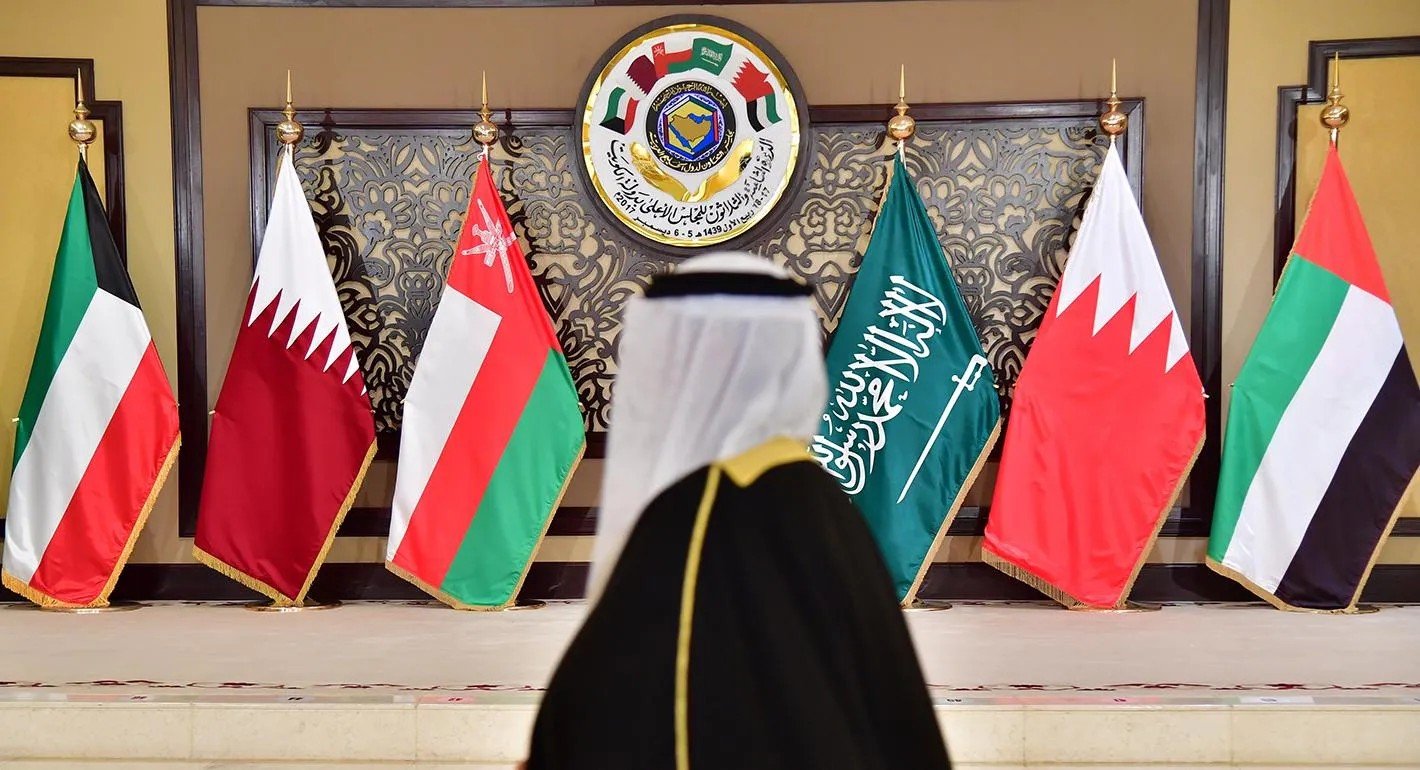
The six GCC countries covered by the assessment are Saudi Arabia, the United Arab Emirates, Qatar, Kuwait, Bahrain and Oman.
Gulf Economies Face Uneven Impact
The impact is expected to vary significantly among Gulf countries, depending on their dependence on the Strait of Hormuz and their ability to maintain trade and energy exports through alternative routes.
Qatar, Kuwait and Bahrain are particularly exposed to disruptions around the Strait of Hormuz, while Saudi Arabia and the UAE have alternative export routes that could help limit some of the economic effects.
Oman is expected to face comparatively lower disruption because of its geographical position and alternative maritime access.
Financial Pressure and Recovery
The conflict is expected to place additional pressure on Gulf governments’ public finances, potentially increasing borrowing, drawing on foreign reserves and redirecting sovereign wealth fund investments toward domestic infrastructure and economic recovery.
The assessment also points to a shift in investment priorities, with governments expected to focus more heavily on infrastructure resilience, energy security, transport, defence and domestic development.
The nearly $990 billion combined estimate highlights the potentially enormous economic consequences of a prolonged regional war. However, the final cost will depend on the duration of the conflict, the extent of further infrastructure damage, the restoration of shipping routes and the speed of economic recovery.
Sources:
Allianz Research – Original report:
https://www.allianz.com/content/dam/onemarketing/azcom/Allianz_com/economic-research/publications/specials/en/2026/november/2026_11_09_GCC.pdf
bne IntelliNews:
https://www.intellinews.com/iran-war-to-cost-gulf-states-790bn-in-lost-output-by-2030-allianz-research-486599/
The Brussels Times:
https://www.brusselstimes.com/2403011/us-iran-war-has-caused-over-200-billion-in-damage-in-the-gulf-report
THE WORLD’S UPDATE
Standing with the oppressed. Speaking for the unheard. Seeking truth without fear.