Author, Writer & Editor: MD MOHMMAD ABBAS
Affiliation: THE WORLD’S UPDATE
Date: November 20, 2026
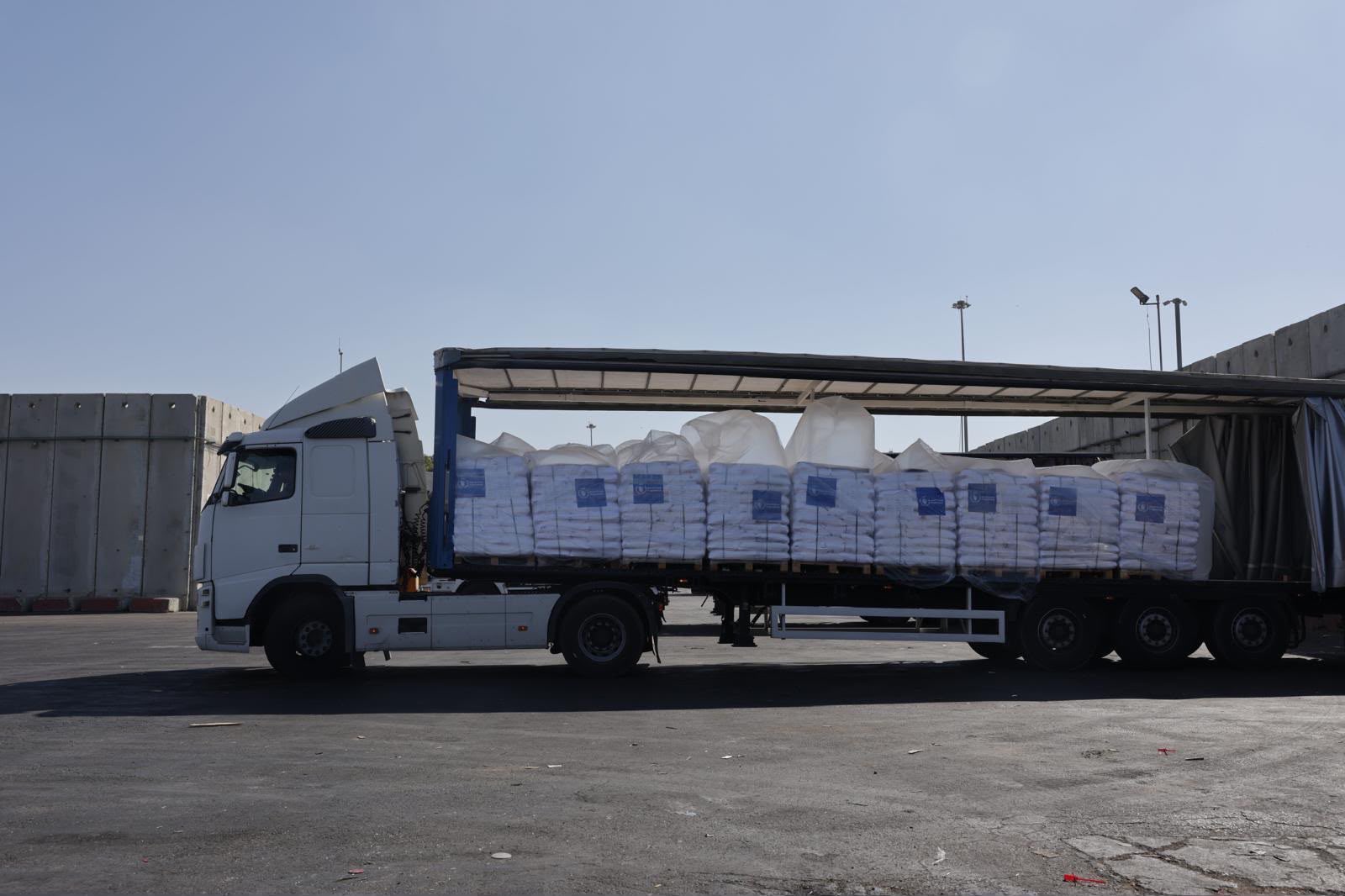
The Israel Defense Forces (IDF) has claimed that nearly 100,000 tents and thousands of trucks carrying winter supplies have entered Gaza, presenting the figures as part of ongoing winter preparedness efforts. However, United Nations reports, humanitarian agencies and independent media coverage published in recent days continue to describe severe displacement, flooding, damaged shelters, shortages of essential supplies and restrictions affecting humanitarian operations.
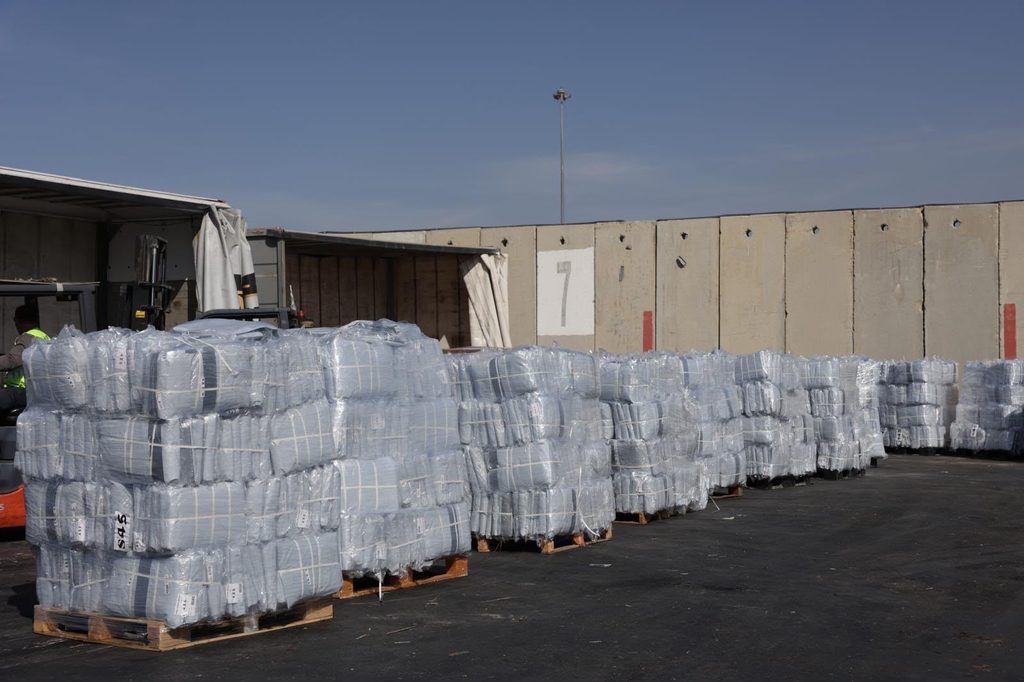
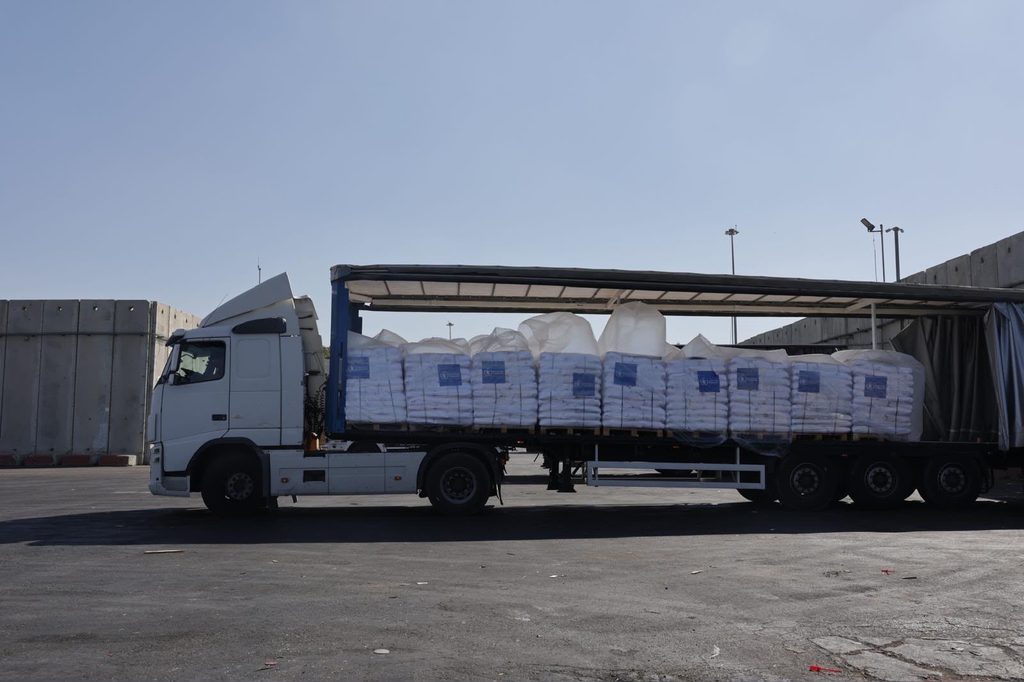
( image Credit : IDF / X )
In a post published on November 20, the IDF said more than 99,900 tents and over 9,000 trucks carrying winter supplies had entered Gaza. It also claimed that more than 7,000 tents and 400 winter-supply trucks entered during the previous week.
The IDF further stated that requests for approximately 65,000 additional tents submitted by the International Organization for Migration (IOM), UNICEF and other organisations had been approved. However, approval of these requests does not mean those tents have already entered Gaza or reached displaced families.
IDF’s Humanitarian Aid Narrative
The IDF’s latest post highlights the number of tents and winter-supply trucks reportedly entering Gaza and the approval of additional shelter materials. It also says COGAT distributed a catalogue of tent models approved for expedited entry to the UN and international organisations.
While these figures represent claims made by Israeli military authorities, independent confirmation of the specific totals—including 99,900 tents, 9,000 trucks and the previous week’s figures—could not be established from the UN humanitarian reports reviewed for this article.
UN Reports a Continuing Shelter Emergency
A United Nations humanitarian situation report published on November 13 documented the consequences of heavy rainfall and flooding across Gaza.
According to the report, more than 46,000 households were affected by the rains, while over 40,000 shelters were damaged. More than 9,000 shelters were reportedly destroyed beyond repair, according to preliminary alerts from humanitarian partners.
The UN also reported that thousands of displaced families remained without adequate shelter, with damaged tents, worn-out bedding and rising prices for essential materials worsening their situation.
The report highlighted the shortage of tents, tarpaulins, blankets and other emergency shelter supplies inside Gaza.
UN and IOM Warnings Published on November 18
In a report published on November 18, the United Nations said Gaza was facing a deepening shelter, sanitation and food-security crisis as winter rains flooded makeshift shelters, damaged food supplies and left displaced families struggling to stay warm and fed.
The UN reported that more than 1.7 million people remained displaced, while humanitarian agencies warned that winter flooding and damaged food stocks could reverse fragile improvements in food security.
The International Organization for Migration (IOM) also warned that tens of thousands of shelters had been damaged or destroyed following rainfall and that more than 100,000 tents were waiting for delivery from Egypt, with their entry dependent on Israeli clearance procedures.
IOM called for more predictable humanitarian access and the entry of stronger, longer-lasting shelter materials.
Independent Media Reports the Same Humanitarian Reality
Reuters reporting published on November 17 also highlighted warnings from IOM that people in Gaza could face increased risk of hypothermia without additional shelter and winter supplies.
The report described flooding of tents, deteriorating shelter conditions, displacement and delays affecting humanitarian supplies. It also reported that approximately 100,000 tents were waiting to enter Gaza, while humanitarian agencies continued to call for more durable shelter solutions.
The Gap Between Aid Entry Claims and Conditions on the Ground
The IDF’s post focuses on the reported volume of aid entering Gaza. Meanwhile, recent UN and humanitarian reporting focuses on the number of people still displaced, the shelters damaged by rain, the shortages inside Gaza and the difficulty of delivering adequate assistance.
The existence of aid-entry figures does not independently establish that the humanitarian crisis has been resolved, that the supplies are sufficient for the population, or that they have reached families facing flooding and winter conditions.
The IDF’s latest post therefore should be understood as an Israeli military and COGAT claim about aid-entry figures—not as independent confirmation that Gaza’s shelter crisis has improved to the extent suggested by the post.
The humanitarian situation documented by UN agencies and independent reporting continues to show widespread displacement, damaged shelters, flooding, shortages and urgent winter needs across Gaza.
Sources:
- IDF/COGAT statement, November 20, 2026: https://x.com/IDF/status/2123761941868847459
- UN OCHA Humanitarian Situation Report, November 13, 2026: https://www.ochaopt.org/content/humanitarian-situation-report-13-november-2026
- UN Palestine, Winter Rains Deepen Gaza Crisis, November 18, 2026: https://palestine.un.org/en/326353-winter-rains-deepen-gaza-crisis-amid-restricted-access-and-aid-cuts
- UN Geneva Briefing, November 17, 2026: https://www.unognewsroom.org/teleprompter/en/3326/un-geneva-press-briefing-17-november-2026
- Reuters, November 17, 2026: https://www.reuters.com/world/middle-east/un-agency-warns-gaza-hypothermia-deaths-without-more-supplies-2026-11-17/
THE WORLD’S UPDATE
Standing with the oppressed. Speaking for the unheard. Seeking truth without fear.