Author, Writer & Editor: MD MOHMMAD ABBAS
Affiliation: THE WORLD’S UPDATE
Date: November 20, 2026
United Nations human rights experts have expressed serious concern over allegations of torture, coerced confessions and violations of due process in Bahrain’s mass trial of Shia Muslim clerics.
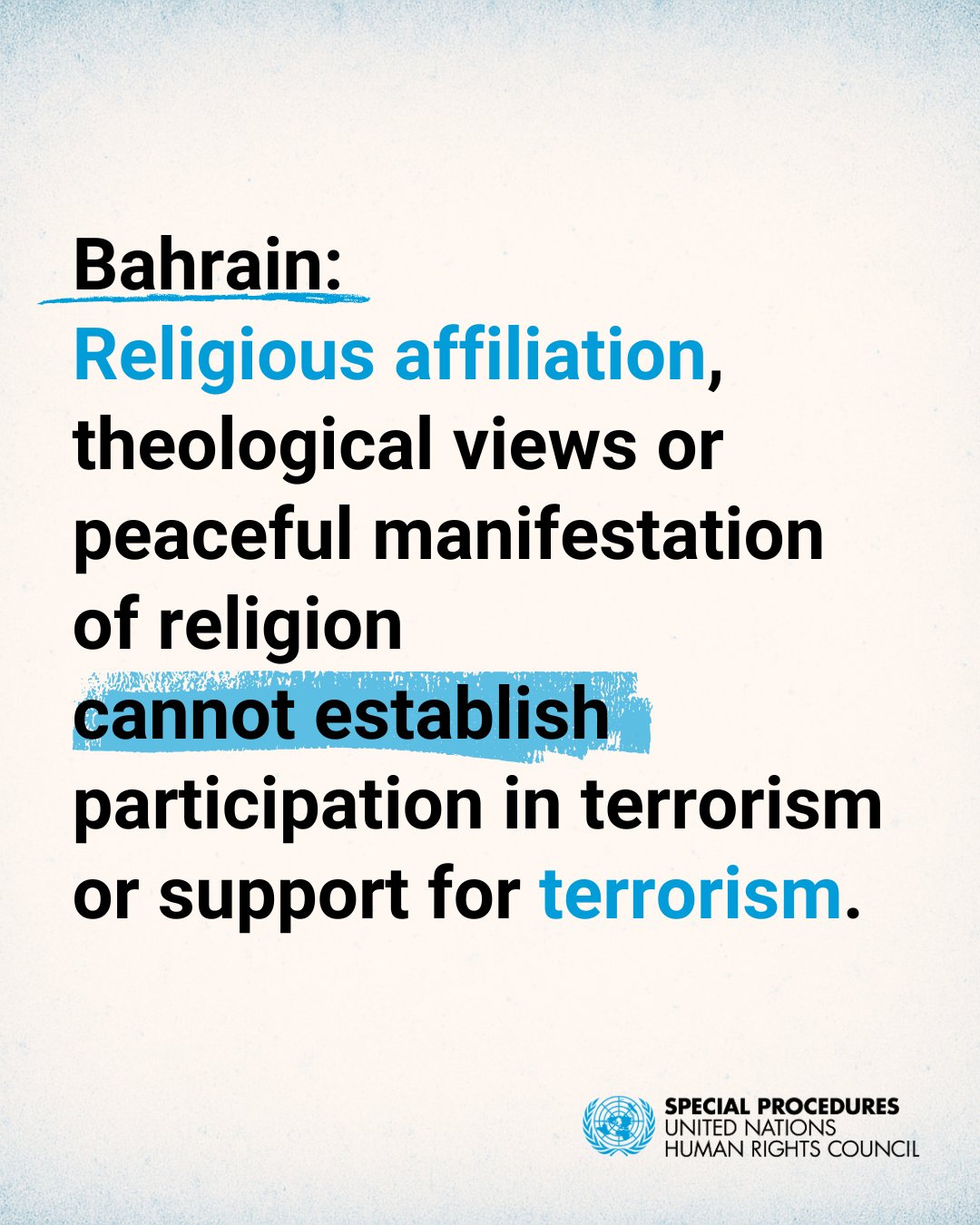
In a statement published on November 20, the UN Special Procedures experts highlighted concerns that religious, educational and charitable activities, including lawful connections with religious authorities abroad, were being treated as evidence of criminal responsibility.
“Criminal responsibility cannot be established merely through lawful religious, educational or charitable connections abroad,” the experts stated.
Their intervention comes after Bahrain’s High Criminal Court convicted 69 defendants in a mass trial involving 60 Shia clerics and nine people associated with religious activities.
64 Defendants Sentenced to Life Imprisonment
On November 16, Bahrain’s High Criminal Court convicted all 69 defendants.
According to the Bahrain Institute for Rights and Democracy (BIRD):
- 64 defendants received life imprisonment.
- Five defendants were sentenced to 15 years in prison.
- The proceedings involved 60 Shia clerics and nine affiliates.
- Thirteen clerics were tried in absentia.
The authorities accused the defendants of participating in an alleged Iran-linked organisation seeking to overthrow Bahrain’s constitutional system and promote Iran’s doctrine of Wilayat al-Faqih.
Bahrain’s authorities have presented the prosecution as a national security and terrorism-related case. The defendants’ convictions have been challenged by international human rights organisations over the fairness of the proceedings.
Torture and Coerced Confession Allegations
Human rights organisations have documented allegations that some defendants experienced serious mistreatment during detention and interrogation.
According to BIRD, defendants described:
- Prolonged blindfolding and handcuffing.
- Forced standing and sleep deprivation.
- Threats of physical and sexual violence against themselves and their families.
- Detention at undisclosed locations.
- Pressure to sign lengthy statements they were allegedly not allowed to read.
Some defendants reportedly denied the statements attributed to them, while lawyers raised concerns about identical passages appearing in different defendants’ purported confessions.
The allegations have prompted calls for independent investigations and the exclusion of evidence obtained through torture or coercion.
Religious Activities and Foreign Connections Under Scrutiny
One of the central concerns raised by UN experts and human rights organisations is the use of religious and charitable connections as evidence in the criminal proceedings.
Evidence reportedly included religious teaching, books, Shia religious contributions known as khums, charitable funds and contacts with religious authorities abroad.
The UN experts stressed that lawful religious, educational and charitable relationships cannot, by themselves, establish an individual’s criminal responsibility.
The distinction is particularly important in cases involving freedom of religion and the right to practise religious activities without discrimination.
Restrictions on Defence Lawyers and Fair Trial Concerns
BIRD reported that defence lawyers were prevented from obtaining copies of case files containing more than 6,700 pages and had to rely on handwritten notes prepared under severe time restrictions.
Defendants in custody were also required to participate in proceedings through video links after requests for their physical appearance in court were denied.
Lawyers seeking interrogation recordings were reportedly told that the footage had been automatically deleted after one month.
These issues have raised questions about access to evidence, the ability to challenge confessions and the right to prepare an effective legal defence.
Bahrain’s Position and International Response
Bahrain’s authorities have maintained that the defendants were prosecuted for alleged criminal activities and not simply for their religious beliefs. The prosecution has accused them of forming an unlawful organisation, terrorist financing and activities linked to Iran.
The court’s verdicts can be appealed, according to reporting by Reuters.
However, the convictions have drawn criticism from international human rights organisations, including Amnesty International, Human Rights Watch and the Bahrain Institute for Rights and Democracy.
The case has become a major human rights issue concerning religious freedom, protection against torture, judicial independence and the right to a fair trial in Bahrain.
The UN experts’ intervention adds international scrutiny to the convictions and the allegations surrounding the proceedings.
Sources
- UN Special Procedures Experts – Original statement on Bahrain:
https://x.com/UN_SPExperts/status/2123738277350150194 - UN Office of the High Commissioner for Human Rights (OHCHR):
https://www.ohchr.org/en/press-releases - Bahrain Institute for Rights and Democracy (BIRD) – Details of the 69 convictions and sentences, November 16, 2026:
https://birdbh.org/2026/11/bahrain-sentences-64-defendants-to-life-imprisonment-and-five-to-15-years-in-mass-trial-of-shia-clerics-amid-allegations-of-torture-and-coerced-confessions/ - Human Rights Watch – Bahrain: Shia Clerics Face Mass Trial Marred by Torture Allegations and Grave Fair Trial Violations:
https://www.hrw.org/news/2026/11/10/bahrain-shia-clerics-face-mass-trial-marred-by-torture-allegations-and-grave-fair - Amnesty International – Joint Statement on the Mass Trial of Shia Clerics, November 6, 2026:
https://www.amnesty.org/en/documents/mde11/1657/2026/en/ - Reuters – Scores of Bahraini Shi’ite clerics get life in jail, accused of plotting with Iran, November 16, 2026:
https://www.reuters.com/world/scores-bahraini-shiite-clerics-get-life-prison-plotting-with-iran-2026-11-16/
THE WORLD’S UPDATE
Standing with the oppressed. Speaking for the unheard. Seeking truth without fear.