Author, Writer & Editor: MD MOHMMAD ABBAS
Affiliation: THE WORLD’S UPDATE
Date: November 13, 2026
Israel’s Political Transition: Eisenkot Calls for Stable Government and Stronger Oversight
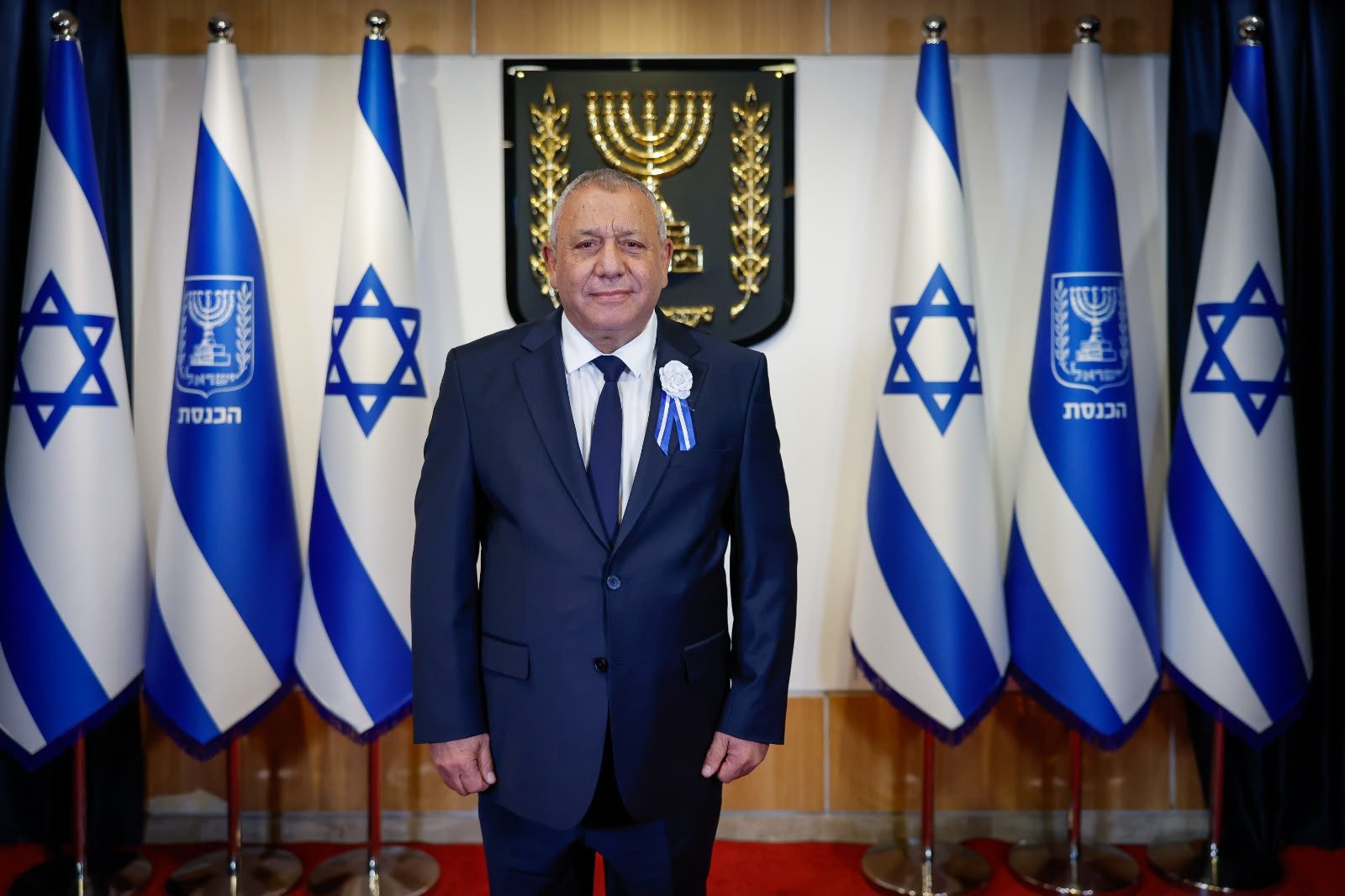
Israeli politician Gadi Eisenkot has outlined his priorities during Israel’s ongoing political transition, calling for the formation of an emergency government, stronger parliamentary oversight and a security policy free from political considerations.
In a statement addressed to Israeli citizens ahead of the Sabbath, Eisenkot discussed his recent meeting with outgoing Prime Minister Benjamin Netanyahu, negotiations with parliamentary factions and the early activities of the 26th Knesset.
His remarks come at a sensitive moment in Israeli politics, as efforts continue to establish a new governing coalition.
1. Security Oversight During the Government Transition
Eisenkot said he had met Netanyahu and the outgoing prime minister’s military secretary to discuss the security situation.
Although he declined to disclose the substance of the meeting, he stressed that Israel’s security situation and domestic political circumstances require close government oversight during the transition.
He stated that he would not allow a lack of oversight and argued that national security must not be used as a tool for political gain.
Eisenkot also said that security considerations should take priority over political interests, setting out what he expects from those holding public office.
2. Efforts to Form an Emergency Government
Eisenkot said he had received the mandate to form a government from Israel’s President.
He stated that he had approached all parliamentary factions and individual members of the Knesset who agree with four principles he has proposed, inviting them to negotiations for an emergency government under his leadership.
According to Eisenkot, the objective is to establish a stable government as quickly as possible.
He said negotiations should be based on shared principles, political cooperation and Israel’s national interests rather than narrow party or personal considerations.
Eisenkot also reported progress in discussions with potential coalition partners, while maintaining that he intends to explore every possible option to establish a functioning government.
3. Parliamentary Committees and Legislative Action
Alongside coalition negotiations, Eisenkot highlighted developments in the 26th Knesset.
He said that during its first three days, the parliament established three important committees:
- The House Committee
- The Foreign Affairs and Defense Committee
- The Finance Committee
He also said that parliamentary proceedings had begun to establish a state commission of inquiry and repeal laws that, in his assessment, had harmed democracy.
Eisenkot described these developments as part of an effort to restore the Knesset’s role as an effective institution of parliamentary oversight.
4. A Message on Democracy and Political Accountability
Eisenkot argued that the outgoing government should no longer operate without effective parliamentary scrutiny.
He promised a different approach to parliamentary conduct, saying that bereaved families should not face insults and that public authority should not be used against sections of Israeli society.
He described the Knesset as the people’s house and said it should represent all citizens, not merely the political interests of those in power.
His statement placed particular emphasis on parliamentary accountability, democratic institutions and the responsibilities of elected representatives.
What This Political Development Means
Eisenkot’s statement outlines three central priorities: security oversight, the formation of an emergency government and the restoration of parliamentary accountability.
However, his announcement does not itself establish that a coalition has been finalised or that a new government has taken office.
The outcome will depend on negotiations with parliamentary factions, the support available in the Knesset and the ability to secure the necessary parliamentary backing.
For now, Eisenkot is presenting his proposed government as an alternative to continued political uncertainty and is seeking to bring multiple parliamentary factions into a common governing arrangement.
THE WORLD’S UPDATE will continue to follow developments in Israel’s political transition, coalition negotiations and parliamentary decisions.
Source: Gadi Eisenkot’s public statement on X (formerly Twitter), November 2026.