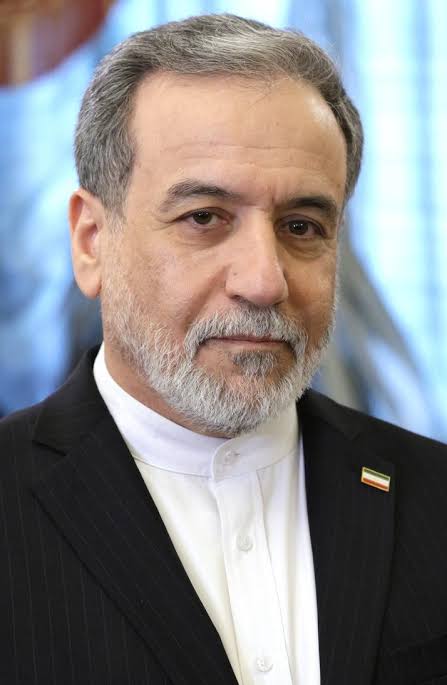
Iranian Foreign Minister Abbas Araghchi has criticised US Secretary of State Marco Rubio over Washington’s economic pressure campaign against Tehran. Araghchi recalled former Secretary of State Mike Pompeo’s controversial 2018 remarks about Iranians needing their government to change its policies if they wanted to eat, arguing that the United States is repeating the same approach.
Iranian Foreign Minister Abbas Araghchi has accused the Trump administration of repeating an economic pressure strategy that previously failed to achieve its political objectives.
In a post on X on November 11, Araghchi referred to remarks made by former US Secretary of State Mike Pompeo approximately eight years ago.
He said Pompeo had suggested that Iranian leaders needed to follow Washington’s demands if they wanted their people to have food.
Araghchi compared those remarks with the current position of US Secretary of State Marco Rubio, who has defended the use of sanctions and economic pressure against Iran.
“Forget about the inhumanity. It’s the delusions that are producing failed U.S. policy,” Araghchi wrote.
What did Mike Pompeo say in 2018?
The controversy dates back to November 7, 2018, when Pompeo gave an interview to BBC Persian.
During the interview, the journalist questioned him about the impact of US sanctions on ordinary Iranians, particularly access to food and medicines.
Pompeo said humanitarian goods were exempt from US sanctions. He then argued that Iran’s leadership had to decide whether it wanted its people to eat and whether to use national wealth to import medicine rather than finance regional activities.
His remarks attracted criticism because they appeared to place responsibility for ordinary people’s access to essential goods on political decisions by the Iranian government.
Iran’s then foreign minister, Mohammad Javad Zarif, subsequently described the approach as economic terrorism.
Rubio defends increasing economic pressure
Araghchi’s criticism comes after Rubio addressed the Iran issue during a meeting of G7 foreign ministers in Paris on November 10.
According to Reuters, Rubio told G7 representatives that Washington would continue imposing what he described as devastating economic costs on Iran.
He argued that sanctions were limiting Tehran’s ability to finance regional activities and that the United States had alternatives to restarting major military operations.
Rubio also said the economic pressure was increasing over time and that Washington remained open to diplomacy if Iran changed its position.
These remarks form the immediate background to Araghchi’s criticism.
The humanitarian consequences of sanctions
The United States maintains that food, agricultural products and medicines are exempt from its sanctions against Iran.
However, formal exemptions do not automatically guarantee that humanitarian trade can take place smoothly.
A 2019 Human Rights Watch report found that international banks and companies were often reluctant to conduct even permitted humanitarian transactions with Iran because of fears of violating US secondary sanctions.
The organisation warned that these difficulties were affecting Iranian patients’ access to essential medicines.
This distinction matters: a humanitarian exemption may exist on paper, while financial restrictions and commercial risk can still create practical obstacles.
A continuing dispute over Washington’s Iran policy
The Trump administration argues that sanctions are necessary to restrict Iran’s nuclear programme, military capabilities and support for regional armed groups.
Tehran argues that the policy amounts to collective economic pressure on its population and demands that Washington end its restrictions before meaningful negotiations can proceed.
Araghchi’s latest statement challenges the assumption that increasing economic hardship will force Iran to accept US demands.
The central question remains whether economic pressure will produce a negotiated settlement or deepen the confrontation between the two countries.
Sources:
- Abbas Araghchi’s original statement: https://x.com/araghchi/status/2120399897190875547
- US Department of State archive – Mike Pompeo’s BBC Persian interview, November 7, 2018: https://2017-2021.state.gov/interview-with-hadi-nili-of-bbc-persian/
- Reuters, November 10, 2026 – Rubio’s economic pressure strategy: https://www.reuters.com/world/middle-east/qatari-pm-makes-unscheduled-stop-g7-brief-europeans-post-trump-talks-2026-11-10/
- Human Rights Watch – Maximum Pressure: US Economic Sanctions Harm Iranians’ Right to Health, October 2019: https://www.hrw.org/sites/default/files/report_pdf/iran1019sanctions_web_0.pdf
- Reuters, November 10, 2026 – Rubio says sanctions reduce the need for major combat operations: https://www.investing.com/news/commodities-news/rubio-says-no-need-for-major-combat-operations-on-iran-given-us-economic-campaign-5015946
Standing with the oppressed. Speaking for the unheard. Seeking truth without fear.