
KYIV / MOSCOW | November 1, 2026
Ukraine’s President Volodymyr Zelensky offered to halt Ukrainian attacks on Russian oil refineries if Moscow stopped targeting Ukraine’s energy infrastructure. However, Russian strikes on Ukrainian power plants and energy facilities continued, according to reports published in October. Kyiv subsequently withdrew its pause on refinery attacks, and fresh drone strikes were reported against Russian industrial and energy facilities on November 1.
The sequence raises important questions about the proposed energy ceasefire, the positions of both governments and the continuing attacks on infrastructure that supplies electricity and fuel to civilians and industry.
October 11: Zelensky offers a reciprocal energy truce
On October 11, Zelensky said Ukraine was ready to stop striking Russian oil refineries if Russia halted its attacks on Ukrainian energy infrastructure.
Reuters reported that Zelensky described the proposal as a mutual arrangement requiring real guarantees. He also said that Russia could stop attacks on energy infrastructure immediately, but that Moscow did not appear willing to do so.
The proposal followed US President Donald Trump’s announcement that Russia and Ukraine had agreed to an energy ceasefire. However, Kyiv said it was still waiting for details, and Ukrainian officials indicated that they had not been consulted beforehand about the purported agreement.
This distinction is significant: Zelensky was expressing Ukraine’s willingness to participate in a reciprocal arrangement, not announcing an unconditional or unilateral halt to Ukrainian strikes.
October 11–12: Russian attacks reported against Ukrainian energy facilities
On October 11, Zelensky said Russian drones and guided aerial bombs were continuing to strike Ukraine, including its energy infrastructure.
He specifically reported an attack on a combined heating and power plant in Kharkiv. He also referred to attacks on gas infrastructure.
On October 12, Zelensky reiterated Ukraine’s position at the Warsaw Security Forum, saying that Russia must stop attacks on Ukraine’s energy system and critical infrastructure if it expected Kyiv to halt long-range strikes against Russian oil refineries.
The Associated Press reported that Russia had struck a power plant in Kharkiv, a gas production facility and a civilian gas station after Trump’s ceasefire announcement.
Reuters also reported Zelensky’s claim that more than 200 strikes had hit Ukrainian electricity-generating capacity during the preceding week, alongside 17 attacks on oil and gas installations.
These figures were attributed to the Ukrainian president and should not be treated as independently established counts of every incident.
October 13–14: Major strikes on Kyiv’s energy infrastructure
The situation escalated further during the night of October 13–14.
According to Zelensky, Russia launched 39 ballistic missiles and more than 120 strike drones and loitering munitions against energy and critical infrastructure in Kyiv, the surrounding region and Kharkiv.
Ukrainian officials said that all three of Kyiv’s combined heat and power stations had been attacked, along with other critical infrastructure supplying electricity to Kyiv and central Ukraine.
Zelensky said approximately 600,000 people were left without electricity.
These were Ukrainian government figures reported by the Kyiv Independent. The full damage assessment and operational impact were not independently established in every detail.
October 15: Zelensky lifts the pause on refinery attacks
On October 15, Zelensky told the Financial Times that Ukraine’s pause on attacks against Russian oil refineries was over.
“The block (on attacking refineries) is out. We’re done,” he said.
Reuters reported that Ukraine had suspended refinery attacks for three days following Trump’s announcement, while Russian strikes on Ukrainian energy infrastructure continued.
On the same day, Reuters reported a Ukrainian strike on a Russian oil refinery as Kyiv resumed its campaign against Russian energy targets.
The sequence demonstrates that Ukraine’s proposed restraint was conditional on reciprocal action from Moscow.
November 1: Attacks reported on both sides
The latest developments indicate that attacks on energy and industrial infrastructure remain part of the conflict.
On November 1, Zelensky said Russian strikes had targeted substations, transformers and power lines in four Ukrainian regions: Dnipropetrovsk, Vinnytsia, Zhytomyr and Khmelnytskyi.
He said hundreds of thousands of Ukrainian households remained without electricity.
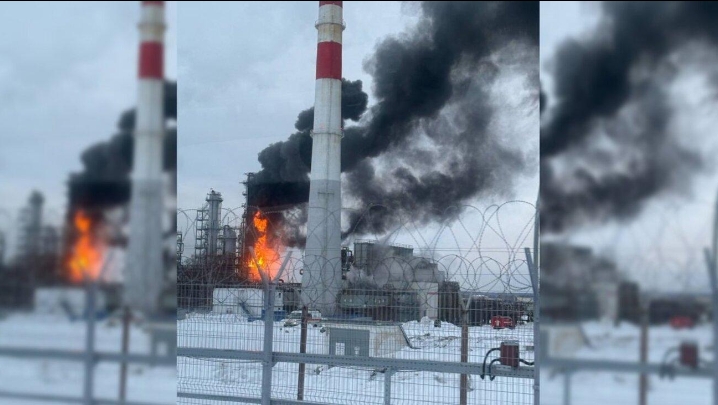
On the Russian side, Nizhny Novgorod regional governor Gleb Nikitin reported significant damage to an industrial facility in the Kstovo district following a large drone attack.
Russian authorities said more than 100 drones had been destroyed in the region. Ukrainian and Russian monitoring channels reported that the Lukoil-Nizhegorodnefteorgsintez refinery, also known as the NORSI refinery, was among the targets.
The Kyiv Independent reported that the refinery strike could not immediately be independently verified. Russian authorities confirmed damage to an industrial facility but did not publicly identify it as the refinery.
Reuters also reported that Ukraine struck the Kamensky plant in Russia’s Rostov region, which Zelensky described as a facility involved in manufacturing Russian missiles. Moscow did not comment on that reported attack.
What does the timeline tell us?
The events point to three important developments:
First: Ukraine publicly offered to stop attacks on Russian oil refineries, but made that commitment conditional on Russia stopping attacks on Ukrainian energy infrastructure.
Second: Russian strikes on Ukrainian energy facilities were reported immediately after the US announcement and continued over the following days. Kyiv said it had not been properly consulted about the proposed ceasefire.
Third: Ukraine subsequently lifted its pause on refinery attacks. By November 1, both countries were reporting or accusing each other of attacks on infrastructure and industrial facilities.
The available reporting does not establish that a mutually negotiated, fully implemented energy ceasefire ever came into force. Trump’s announcement, Ukraine’s conditional offer and Russia’s position must be distinguished rather than treated as one formally agreed arrangement.
The wider question: Can energy infrastructure be protected during war?
Power plants, electricity substations, gas facilities and refineries are central to civilian life and national economies. Attacks on such facilities can leave households without electricity, disrupt heating and water services, and affect industrial production.
International humanitarian law does not automatically make every energy facility a lawful military target. The legal assessment depends on the facility’s use, its contribution to military action, the expected military advantage, and the principles of distinction, proportionality and precautions in attack.
The same legal standards must apply to Russian and Ukrainian forces.
A ceasefire cannot be judged simply by public announcements. Its terms, acceptance, implementation and compliance must all be examined against the available evidence.
For now, the October timeline shows that Ukraine offered reciprocal restraint, Russian attacks on Ukrainian energy facilities continued according to Ukrainian statements and international reporting, and Kyiv subsequently resumed its attacks on Russian refinery targets.
THE WORLD’S UPDATE
Sabse sach, sabse pahle.
Sources & References
- Reuters – Ukraine will stop hitting refineries if Russia halts energy attacks, Zelenskiy says (October 11)
- Reuters – Ukraine awaits details of ceasefire proposals as Russia maintains attacks (October 11)
- Associated Press – Zelenskyy says Russia strikes energy facilities despite Trump claim of an energy ceasefire (October 12)
- RFE/RL – Zelenskyy says Ukraine will stop refinery attacks if Russia halts energy strikes (October 12)
- Kyiv Independent – Zelensky lifts pause on Ukraine’s strikes against Russian oil refineries (October 15)
- Reuters – Ukraine hits Russian refinery as Zelenskiy says ‘we’re done’ with Trump’s energy truce (October 15)
- Reuters – Russian strikes cut power to thousands in Ukraine as drones damage Russian facility (November 1)
- RFE/RL – Moscow reports massive Ukrainian drone attack as Zelenskyy says Russian strikes cut power in regions (November 1)
- Kyiv Independent – Russian oil refinery in Kstovo ablaze after reported overnight drone strike (November 1)
Leave a Reply